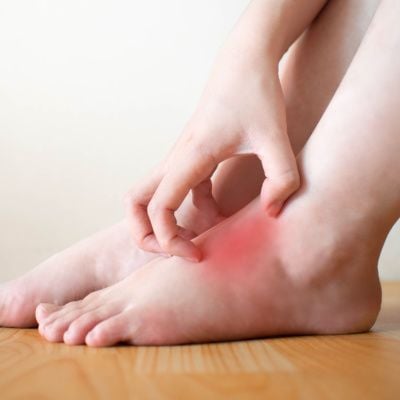
 Our feet, the unsung heroes of our daily mobility, are not immune to the subtle complexities of allergic reactions. Foot allergies, while often overlooked, can significantly impact our lower extremities' overall health and comfort. In this comprehensive exploration, we delve into the world of foot allergies – from understanding the diverse triggers to recognizing symptoms and, most importantly, implementing effective management strategies. Let’s embark on a journey to unmask the nuances of foot allergies and empower ourselves with the knowledge to foster optimal foot health.
The Diversity of Foot Allergies
Allergic Culprits Lurking Below
Foot allergies encompass a spectrum of reactions triggered by various allergens. From common environmental factors to specific substances encountered in footwear or skincare products, the triggers for foot allergies are as diverse as the allergens themselves.
Common Triggers for Foot Allergies
Shoe Materials and Allergic Dermatitis
Footwear, often a haven for allergens, can be a surprising source of foot allergies. Certain shoe materials, such as rubber, leather, or specific dyes, may cause contact dermatitis. This allergic reaction manifests as redness, itching, and sometimes blistering on the feet.
Allergens in Socks and Fabrics
The fabrics we choose for our socks can also play a role in foot allergies. Some individuals may be sensitive to certain textile dyes, fabric softeners, or synthetic materials, leading to allergic skin reactions on the feet.
Skincare Products and Foot Allergies
The creams, lotions, and powders we use to pamper our feet can harbor allergens. Fragrances, preservatives, and other ingredients in skincare products may trigger allergic contact dermatitis when they come into contact with the skin.
Recognizing Symptoms of Foot Allergies
Itching and Redness
One of the hallmark symptoms of foot allergies is itching, often accompanied by redness. The skin on the feet may become inflamed, and the urge to scratch can exacerbate the irritation.
Rash and Blisters
Allergic reactions may manifest as a rash on the feet, characterized by red, raised bumps. In more severe cases, blisters may form, leading to discomfort and a heightened risk of infection if not addressed promptly.
Peeling and Dryness
Foot allergies can result in peeling of the skin, particularly in areas where the allergic reaction is concentrated. Dryness may also occur, further contributing to the discomfort experienced by individuals with foot allergies.
Diagnosing Foot Allergies
Clinical Evaluation
Diagnosing foot allergies begins with a comprehensive clinical evaluation. Healthcare providers review the patient's medical history, including any recent changes in footwear, skincare routines, or exposure to potential allergens.
Patch Testing
In cases where the cause of foot allergies is not immediately apparent, patch testing may be recommended. This involves applying small amounts of common allergens to the skin and monitoring for reactions over a specific period. Patch testing helps identify specific triggers.
Effective Management Strategies
Identifying and Avoiding Triggers
The cornerstone of managing foot allergies is identifying and avoiding the triggers. This may involve scrutinizing footwear choices, opting for hypoallergenic socks, and carefully selecting skincare products with minimal allergenic potential.
Topical Treatments and Moisturizers
For individuals with allergic dermatitis on the feet, topical treatments such as corticosteroid creams or ointments can provide relief from inflammation and itching. Additionally, regular use of hypoallergenic moisturizers helps maintain skin hydration and prevent dryness.
Oral Antihistamines
In cases where itching is a predominant symptom, oral antihistamines may be recommended. These medications can help alleviate itching and reduce the overall intensity of allergic reactions.
Preventive Measures for Foot Allergies
Shoe Hygiene Practices
Good shoe hygiene is a preventive measure that can significantly reduce the risk of foot allergies. Regularly cleaning and airing out shoes, especially after exposure to potential allergens, helps minimize the accumulation of irritants.
Allergen-Free Socks
Opting for allergen-free socks, made from natural and hypoallergenic materials, can be a proactive step in preventing foot allergies. These socks minimize the risk of skin irritation and provide a breathable environment for the feet.
Patch Testing for Sensitivity
Individuals with a history of foot allergies or heightened sensitivity may consider patch testing before introducing new skincare products or footwear materials. This preventive approach can help identify potential allergens before they lead to allergic reactions.
Seeking Professional Guidance
Consultation with a Podiatrist or Allergist
If foot allergies persist or worsen despite self-care measures, seeking professional guidance is crucial. A podiatrist or allergist can conduct a thorough evaluation, perform diagnostic tests, and offer personalized recommendations for effective management.
Addressing Underlying Conditions
In some cases, foot allergies may manifest as an underlying skin condition, such as eczema or psoriasis. Addressing these conditions with the guidance of a healthcare professional contributes to long-term symptom management.
Conclusion
In conclusion, foot allergies are a nuanced aspect of dermatological health that deserves attention and understanding. By unraveling the triggers, recognizing symptoms, and implementing effective management and preventive strategies, individuals can reclaim the comfort and well-being of their feet. Through informed choices in footwear, skincare, and proactive hygiene practices, we can unmask the mysteries of foot allergies and stride confidently toward optimal foot health.

Disclaimer:
The information on this website is provided for educational and information purposes only and is not medical advice. Always consult with a licensed medical provider and follow their recommendations regardless of what you read on this website. If you think you are having a medical emergency, dial 911 or go to the nearest emergency room. Links to other third-party websites are provided for your convenience only. If you decide to access any of the third-party websites, you do so entirely at your own risk and subject to the terms of use for those websites. Neither Dr. Jimmy Gregory, nor any contributor to this website, makes any representation, express or implied, regarding the information provided on this website or any information you may access on a third-party website using a link. Use of this website does not establish a doctor-patient relationship. If you would like to request an appointment with a health care provider, please call our office at 404-284-7744.