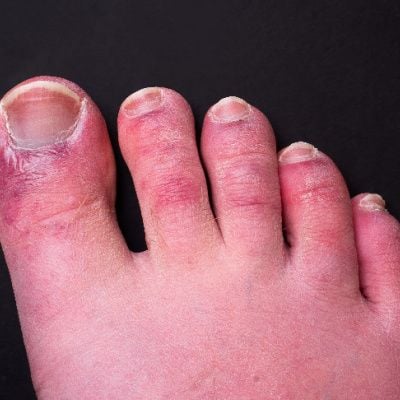
 Chilblains, often colloquially known as "cold feet," is a condition that affects the small blood vessels in the skin when exposed to cold and damp conditions. While it is generally harmless, the discomfort it brings can be significant. In this comprehensive guide, we will delve into the intricacies of chilblains, exploring the causes, symptoms, risk factors, and effective strategies for managing and preventing this cold-induced ailment.
The Basics of Chilblains
Understanding Chilblains:
Chilblains are a localized inflammatory response that occurs when the skin is exposed to cold and subsequently rewarmed. This section delves into the physiological mechanisms behind chilblains, explaining how blood vessels respond to changes in temperature.
The Role of Cold and Humidity:
Exposure to cold and damp conditions is the primary trigger for chilblains. We explore how the combination of low temperatures and high humidity affects the skin, leading to the development of chilblains.
Recognizing the Symptoms: Signs of Chilblains
Red or Purple Skin Lesions:
The hallmark of chilblains is the appearance of red or purple skin lesions, typically on the toes, fingers, nose, or ears. This section provides insights into the visual cues that indicate the presence of chilblains.
Itching and Burning Sensation:
Chilblains often cause itching and a burning sensation in the affected areas. We explore how these symptoms contribute to the discomfort associated with chilblains and strategies for relief.
Swelling and Inflammation:
Swelling and inflammation are common features of chilblains. This section details how the body's inflammatory response contributes to these symptoms and discusses methods to manage the swelling.
Risk Factors and Vulnerable Populations
Cold Sensitivity:
Individuals with heightened sensitivity to cold are more prone to developing chilblains. We discuss how variations in individual responses to temperature play a role in susceptibility to this condition.
Poor Circulation:
Poor circulation can exacerbate the risk of chilblains. This section explores how compromised blood flow to extremities can contribute to the development and severity of chilblains.
Age and Gender Factors:
Age and gender can influence susceptibility to chilblains. We explore why certain age groups and genders may be more prone to developing this condition and how to address these risk factors.
Prevention Strategies
Dressing Appropriately:
Proper attire in cold weather is a key preventive measure. We provide practical tips on choosing suitable clothing and footwear to minimize exposure and reduce the risk of chilblains.
Gradual Warming:
Gradual warming is essential after exposure to cold conditions. This section explains the importance of allowing the body to slowly acclimate to warmer temperatures, minimizing the risk of chilblains.
Avoiding Sudden Temperature Changes:
Sudden shifts in temperature can trigger chilblains. We discuss how to minimize exposure to rapid temperature changes and provide guidance on adapting to different environments safely.
Home Remedies and Self-Care Practices
Keeping Feet Warm:
Warm feet are crucial in preventing and managing chilblains. We offer insights into effective methods for keeping feet warm, including warm socks, heated insoles, and the use of foot warmers.
Moisturizing and Massage:
Proper skincare is vital for preventing chilblains. This section explores the benefits of moisturizing to maintain skin health and how gentle massage can improve circulation and alleviate discomfort.
Treatment Approaches
Topical Creams and Ointments:
Topical creams and ointments can provide relief for chilblains symptoms. We discuss the types of products available, their active ingredients, and how to apply them for optimal results.
Avoiding Scratching:
Itching is a common symptom of chilblains, and scratching can worsen the condition. This section explores strategies for managing the urge to scratch and minimizing the risk of complications.
Over-the-Counter Pain Relief:
Over-the-counter pain relief medications can help manage discomfort associated with chilblains. We provide guidance on the safe use of these medications and their effectiveness in symptom relief.
When to Seek Medical Attention: Recognizing Red Flags
Persistent or Worsening Symptoms:
While chilblains are typically self-limiting, persistent or worsening symptoms may necessitate medical attention. We explore the red flags that indicate a need for professional evaluation.
Complications and Secondary Infections:
Complications such as secondary infections can arise in severe cases of chilblains. This section outlines potential complications and emphasizes the importance of seeking medical care when necessary.
Cold-Related Conditions: Distinguishing Chilblains from Other Ailments
Frostbite:
Chilblains share similarities with frostbite, but they are distinct conditions. We explore the differences between chilblains and frostbite, aiding readers in recognizing the specific characteristics of each.
Raynaud's Disease:
Raynaud's disease, another condition related to cold exposure, can be confused with chilblains. This section provides insights into the differences between Raynaud's disease and chilblains, helping readers distinguish between the two.
Conclusion
Chilblains, or cold feet, maybe a common cold-related ailment, but understanding its causes, symptoms, and preventive measures is crucial for effective management. This comprehensive guide aims to empower individuals to navigate cold weather safely, armed with knowledge about chilblains and strategies for prevention and relief. By unraveling the complexities of this condition, we hope to contribute to the well-being of those facing the discomfort of cold feet.

Disclaimer:
The information on this website is provided for educational and information purposes only and is not medical advice. Always consult with a licensed medical provider and follow their recommendations regardless of what you read on this website. If you think you are having a medical emergency, dial 911 or go to the nearest emergency room. Links to other third-party websites are provided for your convenience only. If you decide to access any of the third-party websites, you do so entirely at your own risk and subject to the terms of use for those websites. Neither Dr. Jimmy Gregory, nor any contributor to this website, makes any representation, express or implied, regarding the information provided on this website or any information you may access on a third-party website using a link. Use of this website does not establish a doctor-patient relationship. If you would like to request an appointment with a health care provider, please call our office at 404-284-7744.