 Our feet, the unsung heroes of daily life, are often subjected to various pressures and stresses. Corns and calluses, though common, can turn this daily reliance into a painful experience. In this comprehensive guide, we embark on a journey to unravel the mysteries of corns and calluses—exploring their causes, distinguishing features, and effective strategies for prevention and management. Let's delve into the world of foot dermatology to ensure your every step is comfortable.
Corns and Calluses
Understanding Corns:
Corns are thickened areas of the skin that develop in response to repeated pressure or friction, often caused by ill-fitting shoes or excessive rubbing. We delve into the types of corns, including hard corns on the tops of toes and soft corns between toes, unraveling their distinctive characteristics.
Calluses Unveiled
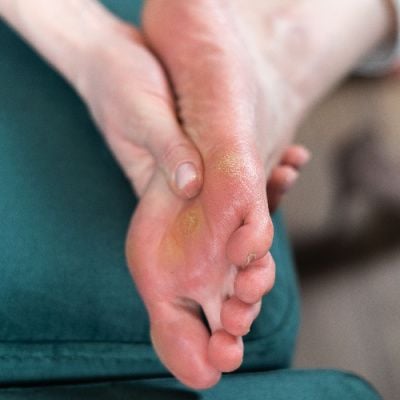
Calluses, similar to corns, are thickened layers of skin that form due to repetitive friction or pressure. This section explores the broader areas where calluses commonly appear, such as the soles of the feet, and elucidates the factors contributing to their development.
Root Causes
Footwear Woes:
Ill-fitting shoes often serve as the primary culprits behind the formation of corns and calluses. We discuss how tight or narrow shoes, high heels, and inadequate arch support can create friction, developing these painful foot conditions.
Biomechanical Factors:
How we walk or stand can influence pressure distribution on our feet. Biomechanical issues, such as abnormal gait or foot deformities, contribute to localized pressure points, fostering the formation of corns and calluses. This section explores these factors in detail.
Everyday Friction:
Daily activities that involve repetitive motion, such as walking or running, can contribute to the friction causing corns and calluses. We shed light on how occupations or hobbies that subject the feet to constant rubbing amplify the risk of developing these dermatological concerns.
Identifying Corns and Calluses
Characteristics of Corns:
Recognizing corns involves understanding their distinct features. We explore the appearance of hard corns, which typically have a central core, and soft corns, characterized by a whitish, macerated appearance between the toes. This visual guide aids in self-identification.
Calluses at a Glance:
Calluses manifest as thickened, rough patches of skin that may be yellowish or grayish. This section provides insights into the appearance of calluses on the soles of the feet, helping individuals differentiate them from other skin conditions.
Foot Care Essentials
Choose Comfortable Footwear:
The foundation of preventing corns and calluses is choosing footwear that prioritizes comfort and proper fit. We offer practical tips on selecting shoes with adequate toe room, arch support, and cushioning to reduce friction and pressure.
Embrace Orthotic Inserts:
Orthotic inserts or insoles can provide additional support and alleviate foot pressure points. This section explores how customized or over-the-counter orthotics can be beneficial in preventing and managing corns and calluses.
Regular Moisturization:
Keeping the skin on your feet well-moisturized is a simple yet effective preventive measure. We discuss the importance of regular moisturization to maintain skin suppleness, reducing the likelihood of friction-related issues.
Home Remedies
Warm Soaks and Pumice Stones:
Warm foot soaks and using pumice stones are home remedies that can help soften and reduce the thickness of corns and calluses. This section guides incorporating these practices into a foot care routine.
Salicylic Acid Applications:
Salicylic acid is a standard over-the-counter treatment for corns and calluses. We explore the application of salicylic acid patches or solutions, detailing how this keratolytic agent aids in gradually removing thickened skin.
Protective Padding:
Protective padding, such as moleskin or silicone toe sleeves, can alleviate pressure on corns and calluses. This section discusses how these simple yet effective measures can relieve and prevent further irritation.
Professional Intervention
Persistent Discomfort:
Persistent pain or discomfort associated with corns and calluses may warrant professional intervention. We discuss how podiatrists can assess the underlying causes and recommend tailored treatment plans for individuals experiencing ongoing issues.
Debridement and Trimming:
Podiatrists employ debridement and trimming to remove thickened skin and relieve pressure points safely. This section provides insights into these procedures and emphasizes the importance of seeking skilled care.
Orthopedic Footwear:
Individuals may benefit from orthopedic footwear prescribed by a podiatrist. We explore how these specialized shoes address specific foot issues, redistributing pressure and preventing the recurrence of corns and calluses.
Medical Treatments
Prescription Medications:
Prescription medications, such as topical retinoids or corticosteroids, may be recommended for persistent or severe cases of corns and calluses. We discuss how these medications work to address inflammation and promote skin healing.
Surgical Intervention:
Surgical options, including corn or callus removal surgery, may be considered in cases where conservative measures prove insufficient. This section overviews surgical interventions and their role in alleviating chronic discomfort.
Conclusion
Corns and calluses, though often perceived as mere nuisances, can significantly impact daily comfort and mobility. Individuals can take proactive steps toward maintaining healthy and happy feet by understanding the root causes, identifying early signs, and adopting preventive measures. Walking comfortably starts with knowledge and a commitment to foot health, whether through proper footwear choices, home remedies, or professional care. With the insights gained from this guide, you can stride confidently, knowing that each step is a step toward walking comfortably through life.


Disclaimer:
The information on this website is provided for educational and information purposes only and is not medical advice. Always consult with a licensed medical provider and follow their recommendations regardless of what you read on this website. If you think you are having a medical emergency, dial 911 or go to the nearest emergency room. Links to other third-party websites are provided for your convenience only. If you decide to access any of the third-party websites, you do so entirely at your own risk and subject to the terms of use for those websites. Neither Dr. Jimmy Gregory, nor any contributor to this website, makes any representation, express or implied, regarding the information provided on this website or any information you may access on a third-party website using a link. Use of this website does not establish a doctor-patient relationship. If you would like to request an appointment with a health care provider, please call our office at 404-284-7744.