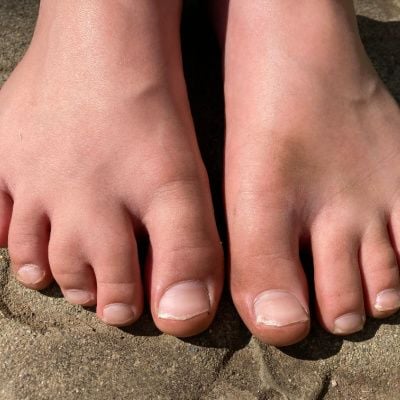
 The human foot, a marvel of biomechanical intricacy, is susceptible to various conditions impacting its structure and function. Digital deformity, encompassing abnormalities affecting the toes, is a significant concern that can profoundly influence mobility and overall foot health. In this comprehensive guide, we delve into the nuances of digital deformities of the foot, exploring their types, causes, symptoms, and effective management strategies.
Understanding Digital Deformity
The Toes as Architectural Marvels:
Toes are pivotal in weight-bearing, balance, and propulsion during walking. This section overviews the toes' structural significance, emphasizing the delicate balance required for optimal foot function.
Defining Digital Deformity:
Digital deformity refers to abnormalities affecting the toes, encompassing conditions like hammertoes, claw toes, and mallet toes. We explore the distinct characteristics of each deformity, shedding light on their anatomical deviations and potential impact on foot mechanics.
Types of Digital Deformities
Hammertoes:
Hammertoes, characterized by an abnormal bend at the middle joint, can result from muscle imbalances, ill-fitting shoes, or structural changes in the foot. We delve into the causes, symptoms, and potential complications associated with hammertoes.
Claw Toes:
Claw toes involve an abnormal downward bend at the joint nearest the foot and an upward bend at the middle joint. This subsection explores the etiology of claw toes, their variations, and their impact on weight distribution during walking.
Mallet Toes:
Mallet toes, distinguished by a downward bend at the joint nearest the tip of the toe, pose unique challenges. We discuss the factors contributing to mallet toes, their clinical presentation, and the potential consequences for foot health.
Causes and Risk Factors
Footwear Choices:
Ill-fitting shoes contribute significantly to digital deformities, especially those with narrow toe boxes and high heels. This section explores the relationship between footwear choices and the development of hammertoes, claw toes, and mallet toes.
Genetic Predisposition:
Genetic factors play a role in the development of digital deformities. We discuss how inherited foot structures and tendencies can contribute to the susceptibility of specific individuals to toe abnormalities.
Muscle Imbalances and Tendon Issues:
Muscle imbalances and tendon issues, often linked to arthritis or neuromuscular disorders, can result in toe deformities. This subsection explores the role of muscle and tendon health in maintaining toe alignment.
Signs and Symptoms
Toe Pain and Discomfort:
Pain and discomfort are common indicators of digital deformities. We explore the types of pain associated with hammertoes, claw toes, and mallet toes, considering factors such as pressure points and altered joint mechanics.
Corns and Calluses:
The abnormal pressure and friction caused by digital deformities can lead to the formation of corns and calluses. This section discusses the development of these skin abnormalities and their implications for foot health.
Limited Range of Motion:
Digital deformities can restrict the range of motion in affected toes. We delve into how limited toe movement can impact gait, balance, and overall functionality.
Diagnosing Digital Deformities
Clinical Evaluation:
Diagnosing digital deformities begins with a thorough clinical evaluation. We explore the importance of a detailed medical history, physical examination, and the assessment of factors such as toe alignment, joint flexibility, and associated symptoms.
Imaging Studies:
Advanced imaging studies, including X-rays and, in some cases, MRI or CT scans, play a crucial role in assessing the severity and underlying causes of digital deformities. This subsection outlines how these modalities contribute to accurate diagnosis and treatment planning.
Treatment Approaches
Non-Surgical Interventions:
Non-surgical interventions form the cornerstone of early-stage digital deformity management. We discuss strategies such as orthotic devices, footwear changes, and exercises to improve muscle balance and toe alignment.
Toe Splints and Pads:
Toe splints and pads are practical tools for managing digital deformities. This section explores their role in reducing pressure points, preventing friction, and promoting a more natural toe alignment.
Physical Therapy:
Physical therapy, including targeted exercises and stretches, can play a pivotal role in addressing muscle imbalances contributing to digital deformities. We discuss the specific movements and their benefits in improving the function.
Surgical Options
Joint Resection:
Joint resection involves removing a portion of the affected toe joint to correct deformities. We explore the considerations, benefits, and potential risks of standard resection procedures for hammertoes, claws, and mallet toes.
Arthroplasty:
Arthroplasty, or joint replacement surgery, may be considered in advanced cases of digital deformities. This subsection outlines the principles of arthroplasty and its role in restoring joint function and alleviating pain.
Tendon Transfers:
Tendon transfers involve repositioning or reinforcing tendons to correct muscle imbalances contributing to digital deformities. We discuss how this surgical approach addresses the root causes of toe abnormalities.
Recovery and Rehabilitation
Post-Surgical Care:
Post-surgical care is crucial for optimal recovery and preventing complications. This section outlines considerations for wound care, immobilization, and rehabilitation exercises to promote healing and restore function.
Rehabilitation Exercises:
Rehabilitation exercises are vital in restoring the toes' strength, flexibility, and functionality following surgery. We explore specific activities tailored to the type of digital deformity and the goals of post-surgical rehabilitation.
Preventive Measures
Proper Footwear Choices:
Choosing appropriate footwear is critical to preventing digital deformities. We discuss the characteristics of footwear that promote health and minimize the risk of developing hammertoes, claw toes, and mallet toes.
Regular Foot Inspections:
Regular self-examinations of the feet can help individuals identify early signs of digital deformities. This subsection guides what to look for during self-inspections and when to seek professional evaluation.
Conclusion
In the intricate landscape of digital deformities, knowledge becomes a beacon for empowerment. Individuals can take proactive steps toward nurturing optimal toe health by understanding the types, causes, and effective management strategies for hammertoes, claw toes, and mallet toes. From recognizing early signs to adopting preventive measures, this comprehensive guide serves as a roadmap for those navigating the complexities of digital deformities, emphasizing the importance of informed decision-making, timely intervention, and a commitment to fostering overall foot well-being.
Disclaimer:
The information on this website is provided for educational and information purposes only and is not medical advice. Always consult with a licensed medical provider and follow their recommendations regardless of what you read on this website. If you think you are having a medical emergency, dial 911 or go to the nearest emergency room. Links to other third-party websites are provided for your convenience only. If you decide to access any of the third-party websites, you do so entirely at your own risk and subject to the terms of use for those websites. Neither Dr. Jimmy Gregory, nor any contributor to this website, makes any representation, express or implied, regarding the information provided on this website or any information you may access on a third-party website using a link. Use of this website does not establish a doctor-patient relationship. If you would like to request an appointment with a health care provider, please call our office at 404-284-7744.