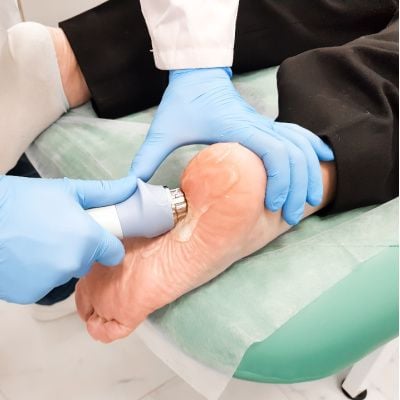
 Extracorporeal Shock Wave Therapy (ESWT) has emerged as a revolutionary approach to managing various musculoskeletal conditions and chronic pain. In this comprehensive guide, we will delve into the intricacies of ESWT, exploring its origins, the science behind shock waves, its applications, and the evolving landscape of this non-invasive therapeutic modality.
Unveiling the Genesis of ESWT
Origins and Evolution:
Extracorporeal Shock Wave Therapy, initially developed to break down kidney stones, found its way into orthopedics and pain management. We explore the historical journey, highlighting key milestones and pivotal moments that shaped the evolution of ESWT.
The Science of Shock Waves:
Understanding the fundamental science of shock waves is crucial to understanding how ESWT works. This section elucidates the generation of shock waves, their transmission through tissues, and the physiological responses that make ESWT an effective therapeutic tool.
How ESWT Works
Cellular Response to Shock Waves:
ESWT triggers a cascade of cellular responses in targeted tissues. We dissect the mechanisms, including the release of growth factors, improved blood circulation, and modulation of pain signals, that contribute to the therapeutic effects of ESWT.
Impact on Inflammation and Healing:
ESWT has profound anti-inflammatory effects and accelerates tissue healing. We explore how shock waves influence cellular processes, reduce inflammation, and promote the regeneration of damaged tissues, fostering a holistic healing environment.
Applications of ESWT
Orthopedic Conditions:
ESWT has shown remarkable efficacy in treating various orthopedic conditions, such as tendinopathies, bursitis, and stress fractures. This section provides a detailed overview of how shock wave therapy is tailored to address specific musculoskeletal issues.
Chronic Pain Management:
Chronic pain, often challenging to treat, has found a formidable adversary in ESWT. We explore how shock wave therapy modulates pain pathways, offering relief to individuals suffering from conditions like plantar fasciitis, tennis elbow, and chronic pelvic pain.
Emerging Frontiers:
ESWT is continually expanding its horizons. This subsection sheds light on the evolving applications of shock wave therapy, including its use in wound healing and erectile dysfunction, and its potential in neurology, ushering in a new era of possibilities.
The ESWT Procedure
Patient Preparation:
Before undergoing ESWT, specific preparations are necessary. We discuss the importance of proper patient evaluation, medical history assessment, and imaging studies to ensure a tailored and practical shock wave therapy session.
The Shock Wave Delivery:
The administration of shock waves is a carefully calibrated process. We elucidate the various techniques employed, including focused and radial shock wave delivery, and how the choice of method depends on the targeted condition and anatomical considerations.
Duration and Frequency:
The optimal frequency and duration of ESWT sessions vary based on the specific condition being treated. This section provides insights into the typical treatment schedules and the factors influencing the frequency and duration of shock wave therapy sessions.
Effectiveness and Efficacy
Clinical Studies and Research:
A growing body of clinical studies and research substantiates the efficacy of ESWT. We delve into critical findings, highlighting landmark trials and systematic reviews that underscore the therapeutic potential of shock wave therapy in diverse medical scenarios.
Patient Outcomes and Success Stories:
Real-world experiences provide invaluable insights into the effectiveness of ESWT. This subsection explores patient outcomes and success stories, showing how individuals have benefited from shock wave therapy across different conditions.
Safety and Side Effects
Safety Measures in ESWT:
While ESWT is generally considered safe, certain precautions and safety measures are crucial. We discuss the importance of qualified practitioners, proper patient selection, and adherence to established protocols to ensure the safety of shock wave therapy.
Potential Side Effects:
Like any medical intervention, ESWT may have side effects. We outline potential adverse reactions, such as localized discomfort or bruising, and emphasize the rarity of serious complications when trained professionals administer ESWT.
Choosing ESWT
Candidacy for ESWT:
Only some people are candidates for ESWT. This section outlines the criteria that make an individual suitable for shock wave therapy, considering factors such as the nature of the condition, medical history, and the potential benefits of this non-invasive approach.
Collaborative Decision-Making:
Informed decision-making is pivotal in healthcare. We advocate for a collaborative approach, emphasizing the importance of open communication between patients and healthcare providers to determine the most suitable treatment plan.
The Future of ESWT: Exploring Innovations & Advancements
Technological Advancements:
ESWT technology continues to evolve. We explore recent technological advancements, including advancements in shock wave generation, imaging guidance, and portable devices, that are shaping the future landscape of ESWT.
Integration with Other Therapies:
The synergy of ESWT with other therapeutic modalities holds promise. This subsection delves into emerging trends, such as combining shock wave therapy with regenerative medicine or physical therapy, to optimize treatment outcomes.
Conclusion
Extracorporeal Shock Wave Therapy has transcended its origins to become a resounding echo in modern medicine, offering hope and relief to individuals grappling with diverse musculoskeletal conditions and chronic pain. This comprehensive guide aims to demystify ESWT, providing a nuanced understanding of its mechanisms, applications, and the evolving landscape of this non-invasive therapeutic powerhouse. As shock waves continue reverberating through pain management, ESWT stands poised at the forefront, breaking ground and reshaping the future of medical care.


Disclaimer:
The information on this website is provided for educational and information purposes only and is not medical advice. Always consult with a licensed medical provider and follow their recommendations regardless of what you read on this website. If you think you are having a medical emergency, dial 911 or go to the nearest emergency room. Links to other third-party websites are provided for your convenience only. If you decide to access any of the third-party websites, you do so entirely at your own risk and subject to the terms of use for those websites. Neither Dr. Jimmy Gregory, nor any contributor to this website, makes any representation, express or implied, regarding the information provided on this website or any information you may access on a third-party website using a link. Use of this website does not establish a doctor-patient relationship. If you would like to request an appointment with a health care provider, please call our office at 404-284-7744.