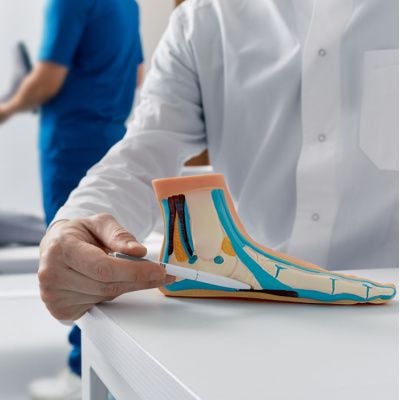
 Flatfoot, a condition where the arches of the feet collapse, can pose challenges in terms of stability, mobility, and overall foot health. This comprehensive guide explores the nuances of flatfoot correction, unraveling the underlying causes, diagnostic approaches, treatment modalities, and the journey to rediscovering stability for individuals navigating life with flat feet.
Understanding Flatfoot
Anatomy of the Foot Arch:
To comprehend flatfoot, it's essential to understand the intricate anatomy of the foot arch. We delve into the role of tendons, ligaments, and bones, highlighting how these components collaborate to form and sustain the arch structure.
Types of Flatfoot:
Flatfoot isn't a one-size-fits-all condition. This section explores the various types of flatfoot, including flexible and rigid flatfoot, and elucidates the distinct characteristics that differentiate them.
The Journey to Diagnosis
Hereditary Factors:
Genetics plays a pivotal role in the development of flatfoot. We explore the hereditary factors contributing to the condition, shedding light on familial patterns and genetic predispositions.
Muscular and Tendinous Influences:
Dysfunction in muscles and tendons can contribute to flatfoot. This subsection dissects how imbalances and weaknesses in these structures can lead to the collapse of the foot arch, initiating the flatfoot cascade.
Traumatic Triggers:
Injuries and trauma can disrupt the normal alignment of the foot. We discuss the impact of accidents, sprains, and fractures in triggering flatfoot and how addressing these traumatic incidents is integral to comprehensive correction.
Navigating the Diagnostic Landscape
Clinical Assessment:
A thorough clinical examination forms the foundation of flatfoot diagnosis. We explore the physical assessments healthcare professionals perform, including gait analysis, range of motion tests, and tendon and muscle function evaluation.
Imaging Modalities:
While clinical evaluations offer valuable insights, imaging modalities enhance diagnostic precision. This section discusses the role of X-rays, CT scans, and MRI in providing detailed images of the foot structure and aiding in identifying underlying issues.
Conservative Approaches
Orthotic Interventions
Orthotics and customized shoe inserts can be instrumental in providing support and realigning the foot. We explore the role of orthotics in managing flatfoot, addressing symptoms, and potentially slowing the progression of the condition.
Physical Therapy:
Targeted exercises and physical therapy form the cornerstone of conservative approaches. This subsection details specific activities designed to strengthen muscles, improve flexibility, and enhance overall foot function in individuals with flat feet.
Lifestyle Modifications:
Lifestyle adjustments, such as choosing appropriate footwear and avoiding activities that exacerbate symptoms, are integral to managing flatfoot. We provide practical tips for individuals to integrate these modifications into their daily routines.
Advanced Treatment Options
Indications for Surgery:
While conservative measures are effective for many, surgery sometimes becomes a consideration. We discuss the indications that may prompt a healthcare professional to recommend surgical intervention for flatfoot correction.
Surgical Techniques:
This section delves into various surgical techniques employed for flatfoot correction, including tendon transfers, osteotomies, and fusions. We explore the nuances of each approach, emphasizing the importance of individualized treatment plans.
Post-Surgical Rehabilitation:
Successful surgery is only part of the equation; effective rehabilitation is equally crucial. We outline the post-surgical rehabilitation process, including physical therapy milestones, activity modifications, and the gradual return to normal function.
Innovations in Flatfoot Correction
Minimally Invasive Procedures:
Advancements in medical technology have paved the way for minimally invasive procedures. This subsection explores how techniques such as endoscopic surgery and arthroscopy are revolutionizing flatfoot correction, offering reduced recovery times and enhanced precision.
Regenerative Medicine:
The integration of regenerative medicine in flatfoot correction is a promising frontier. We delve into how therapies like platelet-rich plasma (PRP) injections and stem cell treatments may contribute to tissue repair and regeneration in individuals with flat feet.
Patient-Centric Approaches
Shared Decision-Making:
Engaging patients in the decision-making process is paramount. This section emphasizes the importance of shared decision-making, fostering open communication between healthcare professionals and individuals with flat feet.
Psychological Considerations:
The impact of flatfoot extends beyond the physical realm. We address the psychological considerations, including the potential emotional toll of living with a foot condition, and offer insights into coping mechanisms and support systems.
Long-Term Foot Health
Follow-up Care:
Sustaining the benefits of flatfoot correction requires ongoing follow-up care. We discuss the importance of regular check-ups, monitoring foot health, and addressing emerging concerns to ensure the longevity of correction outcomes.
Holistic Foot Care Practices:
Beyond specific interventions, adopting holistic foot care practices contributes to overall foot health. This section offers practical tips on maintaining foot health, including proper hygiene, regular inspections, and appropriate footwear choices.
Conclusion
Flatfoot correction is a multi-faceted journey that encompasses understanding, diagnosis, and tailored interventions. This comprehensive guide aims to empower individuals with flat feet, healthcare professionals, and those interested in the intricacies of foot health. By embracing a holistic approach that combines conservative measures, advanced interventions, and patient-centric care, individuals with flat feet can embark on a path toward rediscovering stability, mobility, and a renewed sense of well-being.
Disclaimer:
The information on this website is provided for educational and information purposes only and is not medical advice. Always consult with a licensed medical provider and follow their recommendations regardless of what you read on this website. If you think you are having a medical emergency, dial 911 or go to the nearest emergency room. Links to other third-party websites are provided for your convenience only. If you decide to access any of the third-party websites, you do so entirely at your own risk and subject to the terms of use for those websites. Neither Dr. Jimmy Gregory, nor any contributor to this website, makes any representation, express or implied, regarding the information provided on this website or any information you may access on a third-party website using a link. Use of this website does not establish a doctor-patient relationship. If you would like to request an appointment with a health care provider, please call our office at 404-284-7744.