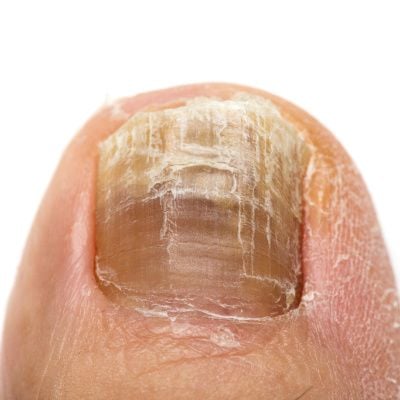
 Fungal nails, medically known as onychomycosis, can be a persistent and bothersome condition affecting the nails. This comprehensive guide will delve into the intricacies of fungal nail infections, exploring their causes, symptoms, available treatments, and preventive measures. Understanding the nuances of this common condition is essential for those seeking practical solutions and looking to maintain optimal nail health.
Definition and Prevalence: Fungal nail infections are caused by the overgrowth of fungi in, on, or under the nails. We will concisely define onychomycosis and discuss its prevalence, emphasizing that it is a common condition affecting people of all ages.
Types of Fungi Involved: Various fungi, including dermatophytes, yeast, and molds, can contribute to fungal nail infections. This section will highlight the specific fungi responsible for onychomycosis and their distinct characteristics.
Unraveling the Causes
Dermatophyte Invasion: Dermatophytes, the most common culprits, thrive in warm and moist environments. We will explore how these fungi invade the nails through tiny cracks or separations in the nail plate, often facilitated by factors like trauma or microtrauma.
Risk Factors: Certain conditions and behaviors can increase the risk of developing fungal nail infections. This section will discuss factors such as age, weakened immune system, poor circulation, and frequent exposure to damp environments contributing to susceptibility.
Recognizing the Signs
Changes in Nail Appearance: Fungal infections often manifest as visible nail changes. We will detail symptoms such as discoloration, thickening, and distortion of the nail plate, helping individuals recognize the early signs of onychomycosis.
Nail Discomfort and Odor: As fungal nails progress, individuals may experience discomfort, pain, or a foul odor emanating from the affected nails. This section will highlight these symptoms and their impact on daily activities.
Diagnostic Approaches
Clinical Examination: Healthcare professionals employ clinical examinations to assess the appearance of the nails and identify signs of fungal infection. We will discuss the importance of seeking professional evaluation for an accurate diagnosis.
Laboratory Tests: Laboratory tests, including nail clippings and cultures, may be conducted to confirm the presence of fungi. This section will explain how these tests aid in determining the specific type of fungus involved and guiding treatment decisions.
Treatment Strategies
Topical Antifungal Medications: Mild to moderate cases of fungal nails may be treated with topical antifungal medications. We will explore the application methods and considerations for using these medications effectively.
Oral Antifungal Medications: In more severe or widespread cases, oral antifungal medications may be prescribed. This section will discuss systemic treatment's benefits and potential side effects and the importance of medical supervision during its course.
Antifungal Nail Lacquers: Nail lacquers containing antifungal agents offer a targeted approach to treating fungal nails. We will detail their application and discuss their efficacy in managing onychomycosis.
Surgical Interventions: Surgical options may be considered for cases resistant to conventional treatments. This section will explore procedures such as nail avulsion and laser therapy, highlighting their role in managing stubborn fungal nail infections.
Home Remedies and Lifestyle Measures
Proper Foot and Nail Hygiene: Maintaining good foot and nail hygiene is crucial in preventing and managing fungal nail infections. We will provide practical tips on nail trimming, footwear choices, and daily foot care routines.
Tea Tree Oil and Other Natural Remedies: Some individuals explore natural remedies such as tea tree oil for their antifungal properties. We will discuss the potential benefits and limitations of incorporating natural remedies into a comprehensive treatment plan.
Preventive Measures
Keeping Feet Dry and Well-Ventilated: Preventing fungal nail infections involves minimizing exposure to damp environments. This section will emphasize the importance of keeping feet dry, wearing breathable footwear, and changing socks regularly.
Avoiding Nail Trauma: Trauma to the nails can create entry points for fungi. We will discuss how individuals can protect their nails by wearing appropriate footwear and avoiding activities that may cause microtrauma to the nail plate.
Post-Treatment Considerations
Patience and Persistence: Fungal nail infections require patience and persistence to pursue recovery. We will provide realistic expectations for the duration of treatment and the importance of adherence to prescribed regimens.
Conclusion
Fungal nails, though common, can be effectively managed with the proper knowledge and strategies. By understanding the causes, recognizing symptoms, seeking prompt diagnosis, and adopting preventive measures, individuals can take charge of their nail health and work towards maintaining strong, healthy nails.


Disclaimer:
The information on this website is provided for educational and information purposes only and is not medical advice. Always consult with a licensed medical provider and follow their recommendations regardless of what you read on this website. If you think you are having a medical emergency, dial 911 or go to the nearest emergency room. Links to other third-party websites are provided for your convenience only. If you decide to access any of the third-party websites, you do so entirely at your own risk and subject to the terms of use for those websites. Neither Dr. Jimmy Gregory, nor any contributor to this website, makes any representation, express or implied, regarding the information provided on this website or any information you may access on a third-party website using a link. Use of this website does not establish a doctor-patient relationship. If you would like to request an appointment with a health care provider, please call our office at 404-284-7744.