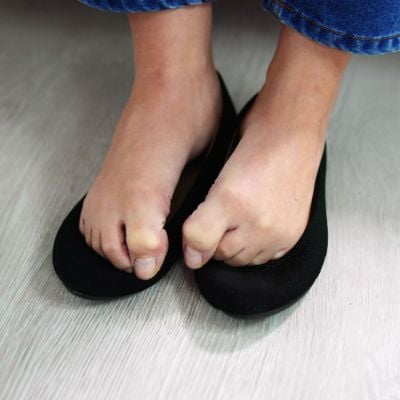
 Dealing with excessive sweating of the feet, known as plantar hyperhidrosis, can be a daily struggle for many individuals. Iontophoresis, a non-invasive treatment, has emerged as an effective solution to alleviate the discomfort associated with this condition. In this article, we'll delve into iontophoresis, exploring its mechanisms, benefits, and how it explicitly addresses excessive sweating in the feet.
Understanding Plantar Hyperhidrosis
Excessive sweating of the feet is a common condition beyond cosmetic concerns. Plantar hyperhidrosis can lead to discomfort, unpleasant odor, and even skin issues. Iontophoresis offers a targeted approach to manage and control this condition.
How Iontophoresis Works on the Feet
- Sweat Gland Regulation: Iontophoresis works by regulating the activity of sweat glands in the feet, reducing the overproduction of sweat.
- Electrical Stimulation: The treatment involves placing the feet in the water, and a mild electrical current is applied, effectively modulating sweat gland activity.
- Multiple Sessions: A series of sessions are usually required to achieve optimal results, and the frequency may vary based on individual responses.
Conditions Treated with Iontophoresis of the Feet
- Plantar Hyperhidrosis: Iontophoresis is specifically designed to target excessive sweating in the feet, providing relief and improving overall foot health.
- Foot Odor: By controlling sweat production, iontophoresis helps minimize the conditions contributing to unpleasant foot odor.
- Skin Infections: Reduced moisture from controlled sweating can lower the risk of fungal and bacterial infections, promoting healthier skin.
Setting Up Iontophoresis for the Feet
- Iontophoresis Devices for Feet: Specialized devices cater to foot iontophoresis, offering convenience and ease of use.
- Water Trays and Electrodes Placement: Proper setup involves placing the feet in water-filled trays with electrodes in contact with the targeted areas.
- Treatment Duration: The duration of each session may vary, typically 20 to 40 minutes, depending on the specific device used.
Effectiveness and Side Effects of Foot Iontophoresis
- Efficacy: Iontophoresis has demonstrated high efficacy in managing plantar hyperhidrosis, relieving those grappling with excessive foot sweating.
- Minimal Side Effects: Side effects are generally mild and may include temporary skin redness or tingling sensations during treatment.
- Consistency for Results: Regular and consistent use of iontophoresis is critical to maintaining dryness and foot comfort.
Advantages of Iontophoresis for Plantar Hyperhidrosis
- Non-Invasive Nature: Foot iontophoresis offers a non-invasive alternative to surgical interventions, making it an attractive option for those seeking minimal discomfort.
- Home-Based Treatment: Portable devices allow individuals to administer iontophoresis in the comfort of their homes, promoting regular use.
- Customizable Intensity: The electrical current's intensity can be adjusted based on individual comfort levels, enhancing the personalized nature of the treatment.
Considerations Before Starting Foot Iontophoresis
- Consultation with a Professional: Before initiating foot iontophoresis, consulting with a healthcare professional ensures suitability and addresses potential concerns.
- Contraindications: Certain medical conditions may impact the appropriateness of foot iontophoresis, necessitating careful consideration before use.
- Patient Compliance: Adhering to the recommended treatment schedule is crucial for achieving and sustaining positive outcomes in managing plantar hyperhidrosis.
Conclusion
In conclusion, iontophoresis of the feet emerges as a powerful and accessible tool in managing plantar hyperhidrosis. As individuals seek solutions to enhance their foot health and overall well-being, iontophoresis is an effective, non-invasive, and customizable option. By relieving the challenges of excessive foot sweating, iontophoresis empowers individuals to confidently put their best foot forward, free from the discomfort and limitations imposed by plantar hyperhidrosis.


Disclaimer:
The information on this website is provided for educational and information purposes only and is not medical advice. Always consult with a licensed medical provider and follow their recommendations regardless of what you read on this website. If you think you are having a medical emergency, dial 911 or go to the nearest emergency room. Links to other third-party websites are provided for your convenience only. If you decide to access any of the third-party websites, you do so entirely at your own risk and subject to the terms of use for those websites. Neither Dr. Jimmy Gregory, nor any contributor to this website, makes any representation, express or implied, regarding the information provided on this website or any information you may access on a third-party website using a link. Use of this website does not establish a doctor-patient relationship. If you would like to request an appointment with a health care provider, please call our office at 404-284-7744.