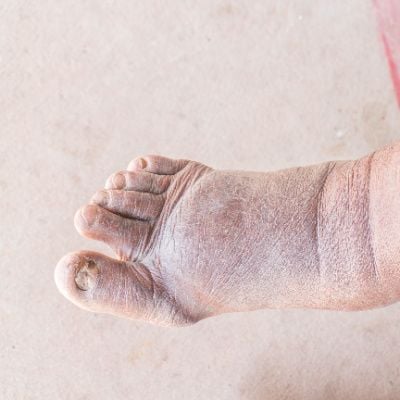
 Ischemic foot, a condition characterized by inadequate blood supply to the foot, can significantly impact an individual's quality of life. This comprehensive guide delves into the intricacies of ischemic foot, exploring its causes, symptoms, and treatment options available to mitigate its effects.
Understanding Ischemic Foot
- Blood Supply to the Foot: The foot relies on a complex network of arteries and blood vessels to receive oxygen and nutrients. Ischemic foot arises when this blood supply is compromised.
- Causes of Ischemia: Conditions such as atherosclerosis, peripheral artery disease (PAD), and blood clots can impede blood flow, leading to ischemic foot.
Recognizing the Symptoms of Ischemic Foot
- Pain and Discomfort: Individuals with ischemic foot may experience pain, often described as cramping or aching, particularly during physical activity.
- Cold and Discolored Skin: Insufficient blood flow can result in coldness and discoloration of the affected foot, signaling compromised circulation.
- Wound Healing Issues: Ischemic foot can impede the body's ability to heal wounds, making individuals more susceptible to infections and ulcers.
Diagnosing Ischemic Foot
- Medical History and Physical Examination: Healthcare professionals often begin the diagnostic process by thoroughly examining and evaluating the patient's medical history.
- Vascular Imaging Tests: Doppler ultrasound, angiography, and other imaging tests help visualize blood flow, aiding in identifying blockages or abnormalities.
Treatment Approaches for Ischemic Foot
- Medication Management: Antiplatelet agents and medications to control cholesterol levels may be prescribed to manage underlying conditions contributing to ischemic foot.
- Lifestyle Modifications: Adopting a heart-healthy lifestyle, including regular exercise, smoking cessation, and a balanced diet, can positively impact blood flow.
- Minimally Invasive Procedures: Angioplasty and stent placement are interventions aimed at restoring blood flow, often considered for cases of vascular obstruction.
Surgical Options for Ischemic Foot
- Bypass Surgery: In severe cases, bypass surgery may be recommended to redirect blood flow around the blocked or narrowed arteries, enhancing circulation to the foot.
- Thrombolytic Therapy: Clot-dissolving medications may be administered to address blood clots causing ischemic foot.
Managing Ischemic Foot at Home
- Foot Care Practices: Maintaining proper foot hygiene, regular inspection, and moisturization are crucial in preventing complications associated with ischemic foot.
- Temperature Regulation: Protecting the foot from extreme temperatures and ensuring adequate insulation can help manage symptoms related to compromised circulation.
Lifestyle Considerations for Ischemic Foot
- Exercise Programs: Structured exercise, tailored to individual capabilities, can enhance overall cardiovascular health, positively impacting blood flow to the foot.
- Foot-Elevated Rest: Elevating the foot when possible can aid in reducing swelling and promoting better circulation.
Seeking Professional Guidance for Ischemic Foot
- Consultation with a Vascular Specialist: Individuals experiencing symptoms of ischemic foot should seek prompt evaluation by a vascular specialist to determine the most suitable course of action.
- Importance of Regular Check-ups: Routine follow-up appointments are crucial to monitor progress, adjust treatment plans, and address emerging concerns.
Conclusion
In conclusion, ischemic foot necessitates a multifaceted approach to management, encompassing lifestyle modifications, medical interventions, and ongoing professional guidance. By understanding the causes, recognizing symptoms, and exploring the array of available treatments, individuals can navigate the challenges of ischemic foot with knowledge and proactive care. Seeking timely medical attention and embracing a holistic approach to health empowers individuals to enhance their vascular well-being, mitigating the impact of ischemic foot and fostering a better quality of life.


Disclaimer:
The information on this website is provided for educational and information purposes only and is not medical advice. Always consult with a licensed medical provider and follow their recommendations regardless of what you read on this website. If you think you are having a medical emergency, dial 911 or go to the nearest emergency room. Links to other third-party websites are provided for your convenience only. If you decide to access any of the third-party websites, you do so entirely at your own risk and subject to the terms of use for those websites. Neither Dr. Jimmy Gregory, nor any contributor to this website, makes any representation, express or implied, regarding the information provided on this website or any information you may access on a third-party website using a link. Use of this website does not establish a doctor-patient relationship. If you would like to request an appointment with a health care provider, please call our office at 404-284-7744.