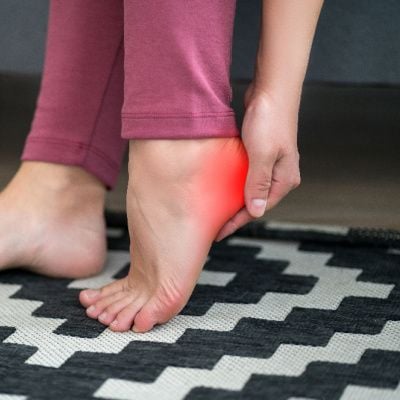
 Plantar fasciitis, a prevalent foot condition characterized by heel pain, impacts millions of individuals globally. This comprehensive guide aims to shed light on the intricacies of plantar fasciitis, exploring its causes, symptoms, and an array of treatment options designed to alleviate discomfort and restore optimal foot function.
Understanding Plantar Fasciitis
Plantar fasciitis is primarily marked by inflammation of the plantar fascia, a thick band of tissue that spans the bottom of the foot, connecting the heel bone to the toes. This condition often manifests as stabbing pain near the heel, especially with the initial steps taken after rest periods.
Causes and Risk Factors
-
Overuse and Strain: Prolonged periods of standing, walking, or activities that place repetitive stress on the plantar fascia can lead to microtears, triggering inflammation.
-
Foot Anatomy: Individuals with flat feet or high arches may be more susceptible to plantar fasciitis due to altered weight distribution and biomechanics.
-
Improper Footwear: Ill-fitting shoes lacking proper arch support or cushioning can contribute to the development of plantar fasciitis.
-
Age and Weight: The risk of plantar fasciitis tends to increase with age, and excess body weight can exacerbate the strain on the plantar fascia.
Symptoms of Plantar Fasciitis
-
Heel Pain: The hallmark symptom is a sharp pain near the heel, often experienced during the first steps in the morning or after periods of inactivity.
-
Stiffness: The foot may feel stiff, particularly after prolonged rest periods.
-
Discomfort After Activity: Pain may intensify after prolonged standing, walking, or strenuous physical activity.
-
Tenderness: The bottom of the heel may be tender to the touch.
Diagnosis and Evaluation
Accurate diagnosis is crucial for effective management of plantar fasciitis. This involves a combination of:
-
Medical History: Understanding the patient's symptoms, lifestyle, and medical history helps assess the possible causes of plantar fasciitis.
-
Physical Examination: Palpation of the heel and foot, along with evaluating the range of motion, aids in identifying signs of inflammation and tenderness.
-
Imaging Studies: X-rays or, in some cases, MRI scans may be employed to rule out other potential causes of heel pain and to visualize the condition of the plantar fascia.
Treatment Approaches
-
Conservative Measures:
- Rest and Ice: Adequate rest, coupled with the application of ice, helps reduce inflammation and alleviate pain.
- Stretching Exercises: Targeted exercises that stretch the plantar fascia and Achilles tendon can enhance flexibility and relieve tension.
- Orthotic Inserts: Custom or over-the-counter shoe inserts provide additional arch support and cushioning.
-
Physical Therapy:
- A physical therapist can guide individuals through specific exercises to strengthen the foot muscles and improve overall foot biomechanics.
-
Medications:
- Non-steroidal anti-inflammatory drugs (NSAIDs) may be recommended to manage pain and reduce inflammation.
-
Footwear Modifications:
- Wearing shoes with adequate arch support and cushioning is crucial for individuals with plantar fasciitis.
-
Night Splints:
- Wearing night splints helps maintain the foot in a dorsiflexed position, preventing the plantar fascia from tightening overnight.
-
Corticosteroid Injections:
- In cases of severe pain and inflammation, corticosteroid injections may be administered to provide temporary relief.
-
Extracorporeal Shock Wave Therapy (ESWT):
- ESWT involves using shock waves to stimulate healing and is considered resistant to conservative measures in cases.
-
Surgical Intervention:
- Surgical options such as plantar fascia release may be considered in rare instances where conservative measures fail.
Preventive Strategies
Adopting preventive measures is crucial for managing and avoiding recurrence of plantar fasciitis:
-
Maintain Healthy Weight:
- Maintaining a healthy weight reduces stress on the plantar fascia.
-
Proper Footwear:
- Choosing footwear with proper arch support and cushioning is essential.
-
Gradual Increase in Activity:
- Gradually increasing the intensity and duration of physical activity helps prevent overuse injuries.
-
Regular Stretching:
- Incorporating regular stretching exercises into the routine promotes flexibility and reduces strain on the plantar fascia.
Conclusion
Plantar fasciitis, though a common source of heel pain, is a manageable condition with a spectrum of treatment options. Early intervention, including conservative measures and lifestyle adjustments, often proves effective in alleviating symptoms. Understanding the causes, recognizing the symptoms, and adopting preventive strategies are pivotal steps toward fostering optimal foot health. Individuals experiencing persistent heel pain should seek professional medical advice for a tailored approach to managing plantar fasciitis and restoring comfort to their every step.


Disclaimer:
The information on this website is provided for educational and information purposes only and is not medical advice. Always consult with a licensed medical provider and follow their recommendations regardless of what you read on this website. If you think you are having a medical emergency, dial 911 or go to the nearest emergency room. Links to other third-party websites are provided for your convenience only. If you decide to access any of the third-party websites, you do so entirely at your own risk and subject to the terms of use for those websites. Neither Dr. Jimmy Gregory, nor any contributor to this website, makes any representation, express or implied, regarding the information provided on this website or any information you may access on a third-party website using a link. Use of this website does not establish a doctor-patient relationship. If you would like to request an appointment with a health care provider, please call our office at 404-284-7744.