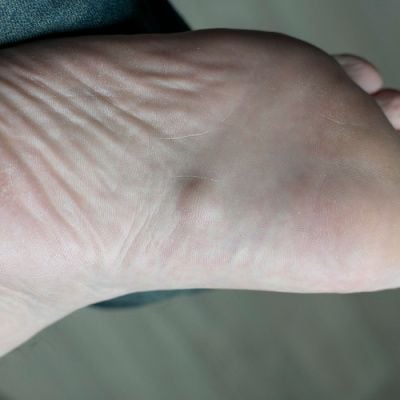
 Plantar fibromas, though relatively uncommon, are a distinctive and often misunderstood condition affecting the feet. In this exploration, we delve into the intricacies of plantar fibromas, unraveling their causes, symptoms, and the various management strategies available to those grappling with these fibrous nodules.
What are Plantar Fibromas?
Plantar fibromas are benign, non-cancerous growths manifesting as firm, nodular masses on the bottom of the feet, typically within the plantar fascia. The plantar fascia is a thick band of tissue that connects the heel bone to the toes, supporting the foot's arch. These fibromas, comprised of fibrous tissue, can vary in size and may present as a single nodule or multiple growths.
Causes and Risk Factors
The exact cause of plantar fibromas remains elusive, and various factors may contribute to their development:
-
Genetic Predisposition: A familial tendency toward plantar fibromas has been observed, suggesting a genetic link in some cases.
-
Trauma or Injury: Microtrauma or repeated stress to the plantar fascia may trigger the formation of fibrous nodules.
-
Foot Mechanics: Individuals with specific foot mechanics, such as flat feet, may be more prone to developing plantar fibromas.
-
Age and Gender: Plantar fibromas often emerge in adulthood and appear more prevalent in women.
Symptoms of Plantar Fibromas
-
Palpable Masses: The primary indication of plantar fibromas is firm, palpable nodules on the sole.
-
Pain and Discomfort: While not always painful, plantar fibromas can cause discomfort, mainly when pressure is applied to the affected area.
-
Foot Function Impairment: In some cases, the growth of fibromas can impede normal foot function, leading to changes in gait or difficulty wearing certain types of footwear.
Diagnosis and Evaluation
Accurate diagnosis of plantar fibromas involves a combination of clinical evaluation and, in some cases, imaging studies:
-
Clinical Examination: A healthcare professional will thoroughly examine the feet, palpating for the presence of nodules and assessing any associated pain or discomfort.
-
Imaging Studies: While not always necessary, imaging tools such as ultrasound or magnetic resonance imaging (MRI) may be employed to visualize the fibromas and determine their size and location.
Management and Treatment Options
-
Conservative Measures:
- Orthotic Inserts: Custom or over-the-counter orthotic inserts may provide support and alleviate pressure on the fibromas.
- Footwear Modifications: Wearing shoes with ample arch support and cushioning can enhance comfort.
-
Physical Therapy:
- Physical therapy exercises may be recommended to improve foot strength and flexibility, aiding in managing symptoms.
-
Corticosteroid Injections:
- In some cases, corticosteroid injections may be administered to reduce inflammation and alleviate pain.
-
Shock Wave Therapy:
- Extracorporeal Shock Wave Therapy (ESWT) has shown promise in breaking down fibrous tissue and reducing symptoms.
-
Monitoring and Observation:
- As plantar fibromas are benign, asymptomatic cases may be monitored without intervention.
-
Surgical Excision:
- Surgical removal of the fibromas may be considered in cases of persistent pain or functional impairment.
Living with Plantar Fibromas: Tips and Considerations
-
Foot Care Routine:
- A meticulous foot care routine, including regular inspection and moisturization, can promote overall foot health.
-
Proper Footwear:
- Choosing footwear that provides adequate support and accommodates the presence of fibromas is essential.
-
Weight Management:
- Maintaining a healthy weight reduces stress on the feet, potentially alleviating symptoms.
-
Consultation with Healthcare Professionals:
- Regular follow-ups with healthcare professionals help monitor the progression of plantar fibromas and adjust management strategies accordingly.
Conclusion
Plantar fibromas, though benign, can present challenges in terms of discomfort and impact on foot function. Understanding the causes, recognizing symptoms, and exploring the array of management options available are vital steps for individuals navigating this condition. Whether opting for conservative measures or surgical intervention, tailored approaches exist to address those with plantar fibromas' unique needs. By demystifying this condition, we empower individuals to make informed decisions about their foot health, fostering a path toward greater comfort and mobility.

Disclaimer:
The information on this website is provided for educational and information purposes only and is not medical advice. Always consult with a licensed medical provider and follow their recommendations regardless of what you read on this website. If you think you are having a medical emergency, dial 911 or go to the nearest emergency room. Links to other third-party websites are provided for your convenience only. If you decide to access any of the third-party websites, you do so entirely at your own risk and subject to the terms of use for those websites. Neither Dr. Jimmy Gregory, nor any contributor to this website, makes any representation, express or implied, regarding the information provided on this website or any information you may access on a third-party website using a link. Use of this website does not establish a doctor-patient relationship. If you would like to request an appointment with a health care provider, please call our office at 404-284-7744.