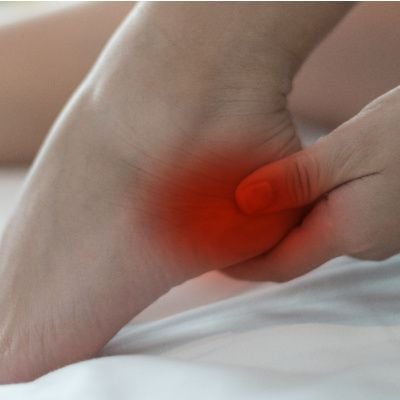
 In pediatric orthopedics, one condition frequently emerging during the growth spurt years is Sever's Disease. Contrary to its name, Sever's Disease isn't an illness; instead, it's a painful heel condition caused by inflammation of the growth plate in the heel bone. This comprehensive guide aims to unravel the complexities of Sever's Disease, shedding light on its causes, symptoms, diagnosis, and effective management strategies.
Understanding Sever's Disease
-
Growth Plate Dynamics:
- Sever's Disease, scientifically known as calcaneal apophysitis, occurs when the growth plate at the back of the heel (calcaneus) experiences inflammation. This growth plate, responsible for bone development, is particularly vulnerable during adolescence.
-
Adolescent Onset:
- Commonly diagnosed in children aged 8 to 14, Sever's Disease coincides with the rapid growth of the heel bone. As bones grow more rapidly than muscles and tendons, stress on the growth plate intensifies, leading to inflammation and heel pain.
Recognizing Symptoms and Signs
-
Heel Pain:
- The hallmark symptom of Sever's Disease is heel pain, typically located at the back of the heel or along the sides. Pain is often exacerbated during or after physical activities.
-
Limping or Walking on Toes:
- Children with Sever's Disease might display a limp or walk on their toes to avoid pressure on the affected heel.
Diagnosis and Assessment
-
Clinical Evaluation:
- Healthcare professionals thoroughly examine the child's medical history, symptoms, and lifestyle factors. Assessing the range of motion and pain response aids in accurate diagnosis.
-
Radiological Studies:
- X-rays may be recommended to rule out other potential causes of heel pain and to visualize the growth plate's condition.
Effective Management Strategies
-
Rest and Activity Modification:
- The cornerstone of Sever's Disease management involves minimizing stress on the heel. Rest and temporary activity modification, such as avoiding high-impact sports, contribute to healing.
-
Supportive Footwear:
- Choosing footwear with proper arch support and cushioning can alleviate pressure on the heel. Avoiding ill-fitting shoes or those with inadequate support is crucial.
-
Ice and Anti-Inflammatories:
- Applying ice to the affected heel helps reduce inflammation. Nonsteroidal anti-inflammatory drugs (NSAIDs) may be recommended under medical supervision.
Physical Therapy and Stretching
-
Calf Stretching Exercises:
- Physical therapists often prescribe gentle stretching exercises to improve flexibility and reduce tension in the calf muscles.
-
Strengthening Regimens:
- Strengthening exercises targeting the muscles around the heel and ankle enhance overall foot stability.
Supporting Emotional Well-being
-
Communication and Education:
- Educating parents and children about Sever's Disease fosters understanding and aids in adherence to treatment plans.
-
Psychosocial Support:
- Acknowledging the impact of heel pain on a child's daily activities is essential. Offering psychosocial support ensures a holistic approach to management.
Preventing Recurrence and Long-Term Impact
-
Gradual Return to Activities:
- As symptoms subside, gradually reintroducing physical activities while prioritizing proper warm-up and stretching is crucial.
-
Monitoring Growth and Development:
- Regular check-ups with healthcare professionals help monitor the child's growth and promptly address any emerging concerns.
Conclusion
Sever's Disease, while causing temporary discomfort, is a self-limiting condition that can be effectively managed with a comprehensive, multidisciplinary approach. From understanding the dynamics of growth plates to recognizing symptoms, seeking timely diagnosis, and implementing practical management strategies, this guide aims to empower parents and caregivers with valuable insights into Sever's Disease. By fostering awareness, adopting proactive measures, and prioritizing the child's overall well-being, families can navigate Sever's Disease with resilience and support growing adolescents in their journey toward optimal foot health.

Disclaimer:
The information on this website is provided for educational and information purposes only and is not medical advice. Always consult with a licensed medical provider and follow their recommendations regardless of what you read on this website. If you think you are having a medical emergency, dial 911 or go to the nearest emergency room. Links to other third-party websites are provided for your convenience only. If you decide to access any of the third-party websites, you do so entirely at your own risk and subject to the terms of use for those websites. Neither Dr. Jimmy Gregory, nor any contributor to this website, makes any representation, express or implied, regarding the information provided on this website or any information you may access on a third-party website using a link. Use of this website does not establish a doctor-patient relationship. If you would like to request an appointment with a health care provider, please call our office at 404-284-7744.