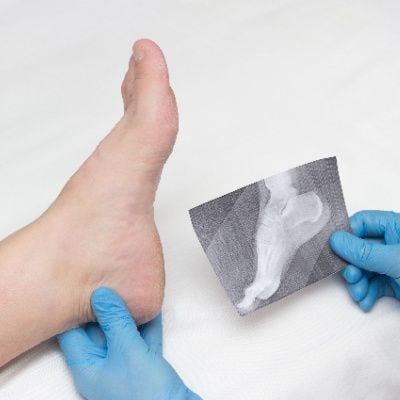
 Foot bone spurs, also known as osteophytes, are bony outgrowths that can develop on the edges of bones. While they can occur in various body parts, foot bone spurs specifically affect the feet, leading to discomfort and mobility issues. This comprehensive guide delves into the causes, symptoms, and management strategies for foot bone spurs to provide a nuanced understanding of this common orthopedic condition.
Understanding the Causes of Bone Spurs
Foot bone spurs typically form in response to long-term stress or pressure on a specific foot area. The following factors contribute to their development:
-
Osteoarthritis: Osteoarthritis, a degenerative joint disease, can cause the cartilage in the joints of the foot to wear down. In response, the body may form bone spurs to stabilize and support the affected joint.
-
Plantar Fasciitis: Individuals with plantar fasciitis, inflammation of the ligament that connects the heel to the toes, may develop heel spurs. Prolonged inflammation can lead to the formation of bony protrusions on the underside of the heel bone.
-
Aging: As individuals age, the likelihood of developing bone spurs increases. The wear and tear on joints and ligaments over the years contribute to the gradual formation of these bony outgrowths.
-
Foot Strain and Overuse: Excessive strain on the feet, often seen in athletes or individuals with occupations requiring prolonged periods of standing or walking, can lead to the development of bone spurs.
Recognizing the Symptoms of Bone Spurs
The presence of foot bone spurs doesn't always manifest in noticeable symptoms. However, when symptoms do occur, they may include:
-
Pain and Discomfort: Pain is a common symptom, significantly when the bone spurs impinge on nerves, soft tissues, or adjacent bones. The pain may be sharp or dull, depending on the location and size of the spur.
-
Reduced Range of Motion: In some cases, bone spurs can restrict the normal range of motion in the affected joint, leading to stiffness and difficulty moving the foot.
-
Swelling and Inflammation: Bone spurs can trigger inflammation in the surrounding tissues, resulting in swelling and tenderness.
-
Corn or Callus Formation: Bone spurs that develop on the toes can cause corns or calluses to form as the bony outgrowth rubs against footwear.
Diagnostic Approaches for Bone Spurs
Diagnosing foot bone spurs involves a combination of clinical evaluation and imaging studies. Common diagnostic approaches include:
-
Physical Examination: A healthcare provider will conduct a thorough physical examination, assessing the affected foot for tenderness, swelling, and changes in range of motion.
-
X-rays: X-ray imaging is a valuable tool for visualizing bone spurs. It provides detailed images that help determine the size, location, and extent of the bony outgrowths.
-
MRI or CT Scans: In cases where additional detail is needed, magnetic resonance imaging (MRI) or computed tomography (CT) scans may be employed to visualize soft tissues and assess the impact of bone spurs on surrounding structures.
Management and Treatment Strategies
-
Conservative Approaches: Mild cases of foot bone spurs can often be managed with conservative measures. These include rest, ice, anti-inflammatory medications, and supportive footwear.
-
Orthotic Devices: Custom orthotic devices, such as shoe inserts, can help redistribute pressure and provide support to alleviate symptoms associated with foot bone spurs.
-
Physical Therapy: Physical therapy exercises focused on stretching and strengthening the affected foot can improve flexibility and reduce discomfort.
-
Corticosteroid Injections: In cases of persistent inflammation, corticosteroid injections may be recommended to reduce swelling and alleviate pain.
-
Surgical Intervention: When conservative measures fail to provide relief, surgical intervention may be considered. Procedures such as bone spur removal or joint fusion may be performed to address the underlying issue.
Preventive Measures for Bone Spurs
While not all foot bone spurs can be prevented, specific lifestyle measures can reduce the risk of their development:
-
Wearing Supportive Footwear: Choosing footwear with proper arch support and cushioning can help distribute pressure evenly across the foot, reducing the risk of stress and strain.
-
Maintaining a Healthy Weight: Excess body weight can contribute to increased joint stress, potentially leading to the formation of bone spurs. Maintaining a healthy weight can mitigate this risk.
-
Regular Exercise: Engaging in regular, low-impact exercises that promote joint flexibility and overall foot health can contribute to preventing the development of bone spurs.
Conclusion
Foot bone spurs are a common orthopedic condition that can impact individuals of varying ages and activity levels. Understanding the causes, recognizing symptoms, and exploring conservative and interventional treatment options empower individuals to navigate the challenges associated with foot bone spurs effectively. Individuals can optimize foot health and maintain an active, fulfilling lifestyle by combining informed care with preventive measures.

Disclaimer:
The information on this website is provided for educational and information purposes only and is not medical advice. Always consult with a licensed medical provider and follow their recommendations regardless of what you read on this website. If you think you are having a medical emergency, dial 911 or go to the nearest emergency room. Links to other third-party websites are provided for your convenience only. If you decide to access any of the third-party websites, you do so entirely at your own risk and subject to the terms of use for those websites. Neither Dr. Jimmy Gregory, nor any contributor to this website, makes any representation, express or implied, regarding the information provided on this website or any information you may access on a third-party website using a link. Use of this website does not establish a doctor-patient relationship. If you would like to request an appointment with a health care provider, please call our office at 404-284-7744.