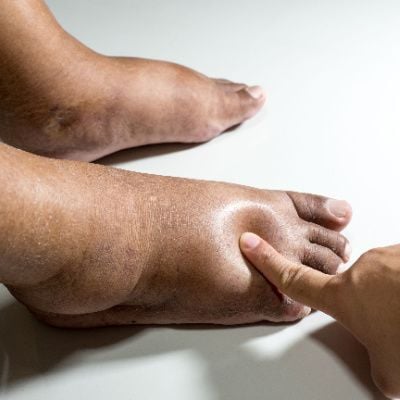
 Foot swelling, medically known as peripheral edema, is a common condition affecting individuals of all ages. This phenomenon, characterized by an abnormal accumulation of fluid in the tissues of the feet and ankles, can indicate various underlying issues. In this comprehensive exploration, we delve into the intricacies of foot swelling, examining its causes, associated symptoms, and a spectrum of effective remedies to empower individuals seeking relief from this often disconcerting concern.
Understanding Foot Swelling
-
Fluid Retention:
- One of the primary causes of foot swelling is fluid retention, often stemming from the body's inability to circulate blood and fluids adequately.
-
Injury or Trauma:
- Physical injury or trauma to the foot, such as sprains, fractures, or strains, can lead to localized swelling as a part of the body's natural healing response.
-
Venous Insufficiency:
- Conditions that compromise the function of veins, like chronic venous insufficiency, can result in poor blood circulation, leading to fluid accumulation in the feet.
-
Lymphatic Issues:
- Dysfunction of the lymphatic system, responsible for draining excess fluids from the tissues, can contribute to foot swelling.
-
Infections:
- Infections, particularly cellulitis or deep tissue infections, can cause inflammation and swelling in the affected area.
Symptoms and Complications Associated with Foot Swelling
-
Pitting Edema:
- Pitting edema, characterized by the formation of an indentation or "pit" when pressure is applied to the swollen area, is a common symptom of fluid retention.
-
Discomfort and Limited Mobility:
- Swollen feet can lead to discomfort, pain, and reduced mobility, impacting an individual's ability to carry out daily activities.
-
Skin Changes:
- Prolonged foot swelling may result in changes to the skin, including tightness, shininess, and, in severe cases, ulceration.
-
Impaired Wound Healing:
- For individuals with pre-existing wounds or ulcers on the feet, swelling can impede the healing process.
Practical Solutions for Foot Swelling
-
Elevation:
- Elevating the legs and feet above heart level helps promote the return of blood and fluids to the heart, reducing swelling.
-
Compression Therapy:
- Compression socks or stockings can aid in preventing fluid buildup and improving circulation in individuals prone to foot swelling.
-
Healthy Lifestyle Practices:
- Adopting a healthy lifestyle, including regular exercise, maintaining a balanced diet low in sodium, and staying hydrated, contributes to overall vascular health.
-
Foot Exercises:
- Simple foot exercises like ankle circles and toe stretches can help improve circulation and alleviate swelling.
-
Avoiding Prolonged Sitting or Standing:
- Individuals with jobs requiring prolonged sitting or standing should take regular breaks to move and stretch their legs.
Professional Interventions: When to Seek Help
-
Medical Evaluation:
- Persistent or sudden foot swelling warrants a thorough medical evaluation to identify the underlying cause and determine an appropriate action.
-
Medications:
- In cases where foot swelling is linked to specific medical conditions, healthcare professionals may prescribe diuretics or medications to address the root cause.
-
Physical Therapy:
- Physical therapy can be beneficial in cases where foot swelling results from musculoskeletal issues or post-injury rehabilitation.
-
Treatment of Underlying Conditions:
- Treating the underlying conditions, such as venous insufficiency or lymphatic disorders, is crucial for long-term management of foot swelling.
Conclusion
Understanding the intricacies of foot swelling is the first step toward effective management and relief. While occasional mild swelling may be a normal response to activities or environmental factors, persistent or severe swelling requires attention and intervention. By adopting a proactive approach, individuals experiencing foot swelling can regain control of their comfort and mobility. Seeking healthcare professionals' guidance ensures a tailored strategy to address the specific needs of each individual, allowing them to step forward with confidence on a journey towards optimal foot health.


Disclaimer:
The information on this website is provided for educational and information purposes only and is not medical advice. Always consult with a licensed medical provider and follow their recommendations regardless of what you read on this website. If you think you are having a medical emergency, dial 911 or go to the nearest emergency room. Links to other third-party websites are provided for your convenience only. If you decide to access any of the third-party websites, you do so entirely at your own risk and subject to the terms of use for those websites. Neither Dr. Jimmy Gregory, nor any contributor to this website, makes any representation, express or implied, regarding the information provided on this website or any information you may access on a third-party website using a link. Use of this website does not establish a doctor-patient relationship. If you would like to request an appointment with a health care provider, please call our office at 404-284-7744.