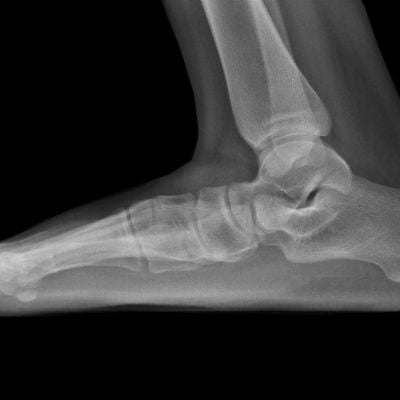
 Tarsal coalition is a relatively uncommon but impactful condition affecting the feet, particularly the tarsal bones, which are situated towards the back of the foot. This condition occurs when two or more bones in the midfoot and hindfoot are abnormally fused, restricting normal movement and potentially causing discomfort. In this exploration, we unravel the intricacies of tarsal coalition, shedding light on its causes, symptoms, and available treatment options to empower those grappling with this orthopedic challenge.
The Anatomy of Tarsal Coalition
Tarsal coalition involves the abnormal fusion of bones in the tarsus, which comprises the midfoot and hindfoot. The most commonly affected joints are the calcaneonavicular (CN) and talocalcaneal (TC) joints. These joints, responsible for facilitating movement and absorbing shock during activities, can develop excess bone or fibrous tissue, leading to fusion and decreased flexibility.
Causes of Tarsal Coalition
While the tarsal coalition is often present from birth, its exact cause remains elusive. Genetic factors are believed to play a significant role, with specific individuals inheriting a predisposition for abnormal bone development. Additionally, injuries or trauma to the feet may contribute to coalition formation in susceptible individuals.
Recognizing Signs and Symptoms
-
Foot Pain:
- Persistent or intermittent pain in the foot, particularly when engaging in physical activities, is a common symptom. The pain may vary in intensity and location.
-
Stiffness and Limited Range of Motion:
- Reduced flexibility and stiffness in the affected foot, especially noticeable during walking or running.
-
Flat Feet:
- Tarsal coalition can contribute to the development of flat feet, altering the foot's natural arch.
-
Muscle Fatigue:
- Individuals with tarsal coalition may experience muscle fatigue, as the abnormal fusion places additional strain on surrounding muscles.
Diagnosing Tarsal Coalition
-
Clinical Evaluation:
- A thorough clinical examination by a healthcare professional, including a review of medical history and symptoms, is the initial step in diagnosis.
-
Imaging Studies:
- X-rays, CT scans, or MRI may be employed to visualize the affected joints and confirm the presence of tarsal coalition.
Treatment Approaches
-
Conservative Measures:
- Mild cases of tarsal coalition may respond to conservative measures such as rest, activity modification, and physical therapy to strengthen surrounding muscles and improve flexibility.
-
Orthotic Devices:
- Custom orthotic devices or shoe inserts may be recommended to provide support, reduce strain, and enhance foot function.
-
Medications:
- Non-steroidal anti-inflammatory drugs (NSAIDs) may be prescribed to alleviate pain and inflammation associated with tarsal coalition.
-
Casting and Immobilization:
- Immobilizing the foot through casting or bracing can be effective, particularly in cases where the coalition is causing significant discomfort.
-
Surgical Intervention:
- For severe cases or when conservative measures prove ineffective, surgical intervention may be considered to address the abnormal fusion and restore normal joint function.
Post-Surgical Rehabilitation
-
Physical Therapy:
- Following surgical intervention, physical therapy is crucial in rehabilitation, helping individuals regain strength, flexibility, and mobility.
-
Gradual Return to Activity:
- Individuals are guided through a gradual return to regular activities, focusing on preventing recurrence and optimizing long-term foot health.
Conclusion
While tarsal coalition may present challenges, advancements in diagnostic techniques and treatment options offer hope for individuals seeking relief. Early identification and intervention and a collaborative approach between patients and healthcare professionals pave the way for improved foot function and enhanced quality of life. By demystifying the tarsal coalition, we aim to empower individuals with knowledge, fostering a proactive stance towards managing and overcoming this orthopedic condition.

Disclaimer:
The information on this website is provided for educational and information purposes only and is not medical advice. Always consult with a licensed medical provider and follow their recommendations regardless of what you read on this website. If you think you are having a medical emergency, dial 911 or go to the nearest emergency room. Links to other third-party websites are provided for your convenience only. If you decide to access any of the third-party websites, you do so entirely at your own risk and subject to the terms of use for those websites. Neither Dr. Jimmy Gregory, nor any contributor to this website, makes any representation, express or implied, regarding the information provided on this website or any information you may access on a third-party website using a link. Use of this website does not establish a doctor-patient relationship. If you would like to request an appointment with a health care provider, please call our office at 404-284-7744.