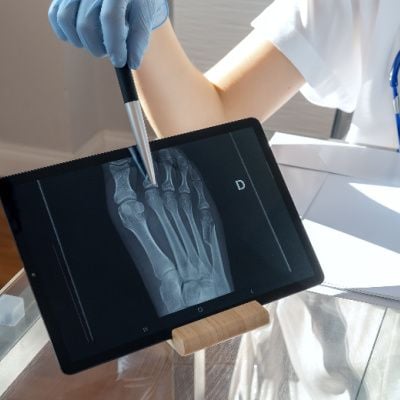
 Foot X-rays, a cornerstone of diagnostic imaging in podiatry, play a pivotal role in unraveling the mysteries beneath the surface. In this comprehensive exploration, we delve into the significance of foot X-rays, shedding light on how these images aid in identifying, diagnosing, and treating various foot conditions.
Purpose of Foot X-Rays
Foot X-rays, or radiographs, serve as a visual gateway for podiatrists and orthopedic specialists. They offer a detailed glimpse into the internal structures of the feet, encompassing bones, joints, and soft tissues. The primary objectives of foot X-rays include:
-
Identification of Fractures and Dislocations: X-rays are instrumental in detecting fractures, dislocations, or other injuries to the bones of the feet. They provide a clear visual representation that aids in precise diagnosis.
-
Evaluation of Joint Health: Assessment of the joints is critical for diagnosing conditions like arthritis or joint deformities. X-rays capture the alignment and integrity of joints, enabling healthcare professionals to formulate effective treatment plans.
-
Detection of Structural Abnormalities: X-rays unveil structural anomalies, such as bone spurs, cysts, or irregularities in bone density. These findings guide healthcare providers in understanding the root causes of foot discomfort or pain.
Types of Foot X-Rays
Podiatric professionals employ different types of foot X-rays based on specific clinical objectives and suspected conditions. The key types include:
-
Weight-Bearing X-Rays: These images are taken while the patient stands, providing insights into how the bones align under the body's natural load. Weight-bearing X-rays are valuable for assessing conditions exacerbated by standing or walking.
-
Non-Weight-Bearing X-Rays: Captured with the patient sitting or lying down, these X-rays focus on the foot's structures without influencing body weight. They help evaluate bone alignment and identify abnormalities.
-
Oblique X-rays: Oblique X-rays involve a specific angle to highlight structures that may not be as visible in standard views. They are especially useful for diagnosing certain types of fractures or joint conditions.
Diagnosing Foot Conditions
Foot X-rays serve as diagnostic tools for various conditions, aiding healthcare providers in formulating accurate diagnoses. Some common conditions identified through foot X-rays include:
-
Stress Fractures: Hairline fractures often become apparent on X-rays, helping identify and appropriately manage stress fractures resulting from repetitive impact or overuse.
-
Arthritis: X-rays provide a detailed view of joint spaces and can reveal signs of arthritis, such as joint degeneration, narrowing of spaces, or the presence of bone spurs.
-
Bunions and Joint Deformities: Evaluation of foot X-rays assists in diagnosing conditions like bunions and joint deformities, guiding specialists in planning corrective procedures.
The Role of X-Rays in Treatment Planning
Once a foot condition is diagnosed through X-rays, healthcare providers can precisely tailor treatment plans. X-rays facilitate:
-
Surgical Planning: X-rays serve as a roadmap for surgeons for conditions requiring surgical intervention. They provide detailed information about the extent of the issue and aid in planning precise corrective procedures.
-
Monitoring Treatment Progress: Periodic X-rays help healthcare providers monitor treatment progress. They enable adjustments to care plans based on the healing trajectory or the need for alternative interventions.
Safety Considerations and Advancements
In the realm of medical imaging, safety is paramount. While X-rays are generally considered safe in controlled doses, practitioners adhere to strict guidelines to minimize radiation exposure. Advancements in technology, such as digital radiography, further reduce radiation doses while maintaining image quality.
Conclusion
Foot X-rays emerge as invaluable allies in the journey toward optimal foot health. By providing detailed insights into the internal structures, these diagnostic images guide healthcare professionals in identifying, diagnosing, and treating various foot conditions. Integrating X-rays into podiatric practices ensures a nuanced understanding of each patient's unique foot anatomy, facilitating tailored and effective care. As technology advances, foot X-rays remain a cornerstone in podiatry, contributing to the precision, safety, and overall well-being of individuals seeking answers to their foot-related concerns.


Disclaimer:
The information on this website is provided for educational and information purposes only and is not medical advice. Always consult with a licensed medical provider and follow their recommendations regardless of what you read on this website. If you think you are having a medical emergency, dial 911 or go to the nearest emergency room. Links to other third-party websites are provided for your convenience only. If you decide to access any of the third-party websites, you do so entirely at your own risk and subject to the terms of use for those websites. Neither Dr. Jimmy Gregory, nor any contributor to this website, makes any representation, express or implied, regarding the information provided on this website or any information you may access on a third-party website using a link. Use of this website does not establish a doctor-patient relationship. If you would like to request an appointment with a health care provider, please call our office at 404-284-7744.