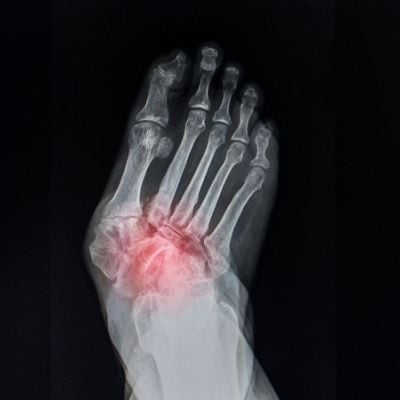
 Charcot foot, a condition named after the French neurologist Jean-Martin Charcot, is a progressive and potentially debilitating disorder that affects the bones, joints, and soft tissues of the foot. In this comprehensive guide, we will unravel the intricacies of Charcot foot, exploring its causes, symptoms, diagnostic approaches, and effective management strategies. By shedding light on this lesser-known condition, we aim to empower readers with the knowledge to recognize, address, and seek appropriate care for Charcot foot.
Understanding Charcot Foot
Defining Charcot Foot
Charcot foot, also known as Charcot arthropathy, is characterized by a gradual weakening and deterioration of the bones and joints in the foot. It primarily affects individuals with neuropathy, often stemming from diabetes.
The Role of Neuropathy
Neuropathy, a condition characterized by nerve damage, plays a pivotal role in the development of Charcot foot. The loss of sensation in the foot leads to repetitive trauma and stress on the bones, initiating the cascade of degeneration.
Causes and Risk Factors
Diabetes Mellitus
Diabetes mellitus is the leading cause of Charcot foot. High blood sugar levels associated with diabetes can result in nerve damage, setting the stage for the development of neuropathy and subsequent Charcot foot.
Other Neuropathic Conditions
Beyond diabetes, other neuropathic conditions, such as alcoholism and certain genetic disorders, can contribute to nerve damage and increase the risk of Charcot foot.
Trauma and Repetitive Stress
Trauma, whether acute injuries or repetitive stress on the foot, can trigger Charcot foot in individuals with neuropathy. Identifying and addressing contributing factors is crucial for comprehensive management.
Recognizing Symptoms of Charcot Foot
Swelling and Redness
The initial signs of Charcot foot often include swelling and redness. These symptoms may be mistaken for infection, emphasizing the importance of a thorough evaluation by healthcare professionals.
Increased Temperature
The affected foot may exhibit increased warmth compared to the opposite foot. Monitoring temperature differences assists in early detection and intervention.
Deformities and Changes in Foot Shape
As Charcot foot progresses, deformities and alterations in foot shape become apparent. These changes are indicative of bone and joint destruction.
Diagnosing Charcot Foot
Clinical Evaluation
Healthcare professionals conduct a clinical examination, assessing the patient's medical history, symptoms, and conducting a physical examination of the affected foot. Differentiating Charcot foot from other conditions is crucial for accurate diagnosis.
Imaging Studies
X-rays, magnetic resonance imaging (MRI), or computed tomography (CT) scans may be ordered to visualize the bones and joints. Imaging studies provide detailed insights into the extent of degeneration and aid in formulating an appropriate treatment plan.
Differential Diagnosis
Distinguishing Charcot foot from conditions such as infection or osteomyelitis is essential for tailored and timely intervention. A comprehensive approach ensures accurate diagnosis and management.
Treatment Strategies for Charcot Foot
Immobilization
The cornerstone of Charcot foot management is immobilization. Non-weight-bearing casts or specialized boots are utilized to prevent further stress on the affected foot and allow for the healing of bones and joints.
Orthopedic Footwear
Custom orthopedic footwear is designed to accommodate changes in foot shape and reduce pressure on vulnerable areas. Properly fitted shoes contribute to the overall support and comfort of individuals with Charcot foot.
Offloading Devices
Devices such as custom orthotic inserts or braces aid in offloading pressure from specific areas of the foot, promoting a more even distribution of weight and preventing further damage.
Surgical Interventions
Joint Stabilization
In cases of severe deformity or instability, surgical intervention may be considered. Procedures to stabilize joints and correct deformities aim to restore functionality and reduce the risk of complications.
Arthrodesis
Arthrodesis, or fusion of the affected joints, may be recommended to address persistent instability and pain. Surgical options are tailored to the unique needs of each individual.
Preventive Measures for Charcot Foot
Strict Blood Sugar Control
For individuals with diabetes, maintaining strict blood sugar control is paramount in preventing neuropathy and subsequent complications such as Charcot foot.
Regular Foot Examinations
Regular self-examinations of the feet, particularly for those with neuropathy, allow for the early detection of changes or symptoms associated with Charcot foot. Prompt intervention contributes to better outcomes.
Patient Education
Educating individuals at risk, especially those with diabetes, about foot care practices and the importance of seeking timely medical attention for any foot-related concerns is crucial in preventing Charcot foot.
Living with Charcot Foot
Adhering to Treatment Plans
Strict adherence to treatment plans, including immobilization, orthopedic footwear, and follow-up appointments, is essential for managing Charcot foot effectively.
Supportive Care
Engaging in supportive care practices, such as maintaining proper foot hygiene, moisturizing the skin, and protecting the feet from temperature extremes, contributes to overall foot health.
Seeking Professional Guidance
Podiatrists and Orthopedic Specialists
Consulting with podiatrists or orthopedic specialists with expertise in Charcot foot ensures a comprehensive assessment and personalized treatment plan. Regular follow-ups are essential for ongoing management.
Diabetologists
For individuals with diabetes, collaboration with diabetologists or endocrinologists is crucial. Managing blood sugar levels is integral to preventing complications like Charcot foot.
Conclusion
In conclusion, Charcot foot demands attention and proactive management to mitigate potential complications. By understanding the causes, recognizing symptoms, and implementing appropriate treatment strategies, individuals can navigate the complexities of Charcot foot with informed decision-making. Whether through conservative measures such as immobilization and orthopedic footwear or surgical interventions tailored to the specific needs of the individual, a comprehensive approach ensures the best outcomes for Charcot foot health. Through a combination of preventive measures, timely intervention, and collaborative care with healthcare professionals, individuals can embark on a journey towards alleviating Charcot foot and fostering overall foot well-being.


Disclaimer:
The information on this website is provided for educational and information purposes only and is not medical advice. Always consult with a licensed medical provider and follow their recommendations regardless of what you read on this website. If you think you are having a medical emergency, dial 911 or go to the nearest emergency room. Links to other third-party websites are provided for your convenience only. If you decide to access any of the third-party websites, you do so entirely at your own risk and subject to the terms of use for those websites. Neither Dr. Jimmy Gregory, nor any contributor to this website, makes any representation, express or implied, regarding the information provided on this website or any information you may access on a third-party website using a link. Use of this website does not establish a doctor-patient relationship. If you would like to request an appointment with a health care provider, please call our office at 404-284-7744.