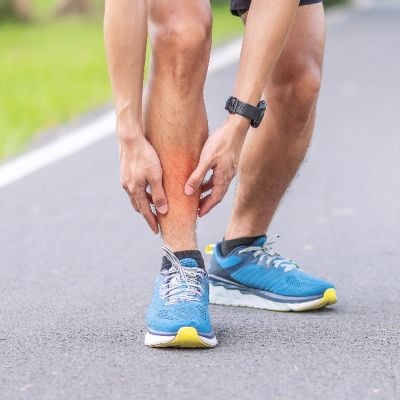
 Shin splints, a term often used to describe pain along the shinbone (tibia), is a common ailment affecting athletes and individuals engaged in physical activities. In this comprehensive guide, we will delve into the intricacies of shin splints, exploring its causes, symptoms, and practical management strategies. Whether you're an athlete, a fitness enthusiast, or someone dealing with persistent shin pain, this educational article aims to provide valuable insights into understanding and addressing shin splints.
Understanding Shin Splints
Anatomy of the Shin
To comprehend shin splints, one must first understand the intricate anatomy of the shin. The tibia, or shinbone, is a weight-bearing bone crucial to the proper functioning of the lower limb.
Defining Shin Splints
Shin splints, formally known as medial tibial stress syndrome, refer to the inflammation of the muscles, tendons, and bone tissues around the tibia. This condition often arises from overuse or repetitive stress on the lower leg.
Causes and Risk Factors
Overuse and Repetitive Stress
Engaging in activities that involve repetitive impact, such as running or jumping, can lead to excessive stress on the shinbone, contributing to the development of shin splints.
Incorrect Footwear
Wearing inadequate or worn-out footwear fails to provide proper support and shock absorption, increasing the risk of shin splints.
Muscle Imbalances
Imbalances in the muscles surrounding the shin, especially the calf muscles, can lead to uneven stress distribution, making individuals more susceptible to shin splints.
Recognizing Symptoms of Shin Splints
Gradual Onset of Pain
Shin splint pain typically begins as a dull ache along the inner edge of the shinbone during or after physical activity. Over time, the pain may become more pronounced.
Tenderness and Swelling
The affected area may be tender to touch, and swelling may occur due to inflammation of the tissues surrounding the tibia.
Diagnosis and Assessment
Clinical Evaluation
Healthcare professionals may perform a clinical examination, assessing the patient's medical history, symptoms, and conducting physical tests to diagnose shin splints.
Imaging Studies
While often diagnosed clinically, imaging studies such as X-rays or MRI scans may be employed to rule out other potential causes of shin pain.
Treatment Approaches
Rest and Ice
Initial management involves resting the affected leg and applying ice to reduce inflammation. This allows the tissues to heal and alleviates pain.
Physical Therapy
A tailored physical therapy program focusing on strengthening exercises, stretching, and gait analysis can address muscle imbalances and improve overall lower limb biomechanics.
Preventive Strategies
Gradual Activity Progression
Avoiding sudden increases in activity levels and incorporating gradual progressions can help prevent the overuse that leads to shin splints.
Proper Footwear and Orthotics
Wearing appropriate footwear with proper arch support and, if necessary, using orthotic inserts can reduce the impact on the shins during physical activities.
Living with Shin Splints
Activity Modification
Individuals with shin splints may need to modify their exercise routines, incorporating low-impact activities during the recovery phase.
Patient Education and Support
Understanding the importance of proper warm-up, cooldown, and recognizing the signs of overuse is crucial for individuals managing shin splints.
Potential Complications
Stress Fractures
If left untreated, severe cases of shin splints can lead to stress fractures, which necessitate more extensive interventions.
Chronic Pain and Discomfort
Persistent shin splints can result in chronic pain, affecting an individual's ability to engage in regular physical activities.
Conclusion
In conclusion, navigating shin splints requires a comprehensive understanding of its causes, symptoms, and management strategies. This article serves as a valuable resource for both healthcare professionals and individuals seeking insights into this common lower limb issue. By unraveling the intricacies of shin splints, we empower individuals to take proactive steps in preventing, managing, and overcoming this often-persistent condition, ultimately fostering a higher quality of life and optimal lower limb health.


Disclaimer:
The information on this website is provided for educational and information purposes only and is not medical advice. Always consult with a licensed medical provider and follow their recommendations regardless of what you read on this website. If you think you are having a medical emergency, dial 911 or go to the nearest emergency room. Links to other third-party websites are provided for your convenience only. If you decide to access any of the third-party websites, you do so entirely at your own risk and subject to the terms of use for those websites. Neither Dr. Jimmy Gregory, nor any contributor to this website, makes any representation, express or implied, regarding the information provided on this website or any information you may access on a third-party website using a link. Use of this website does not establish a doctor-patient relationship. If you would like to request an appointment with a health care provider, please call our office at 404-284-7744.