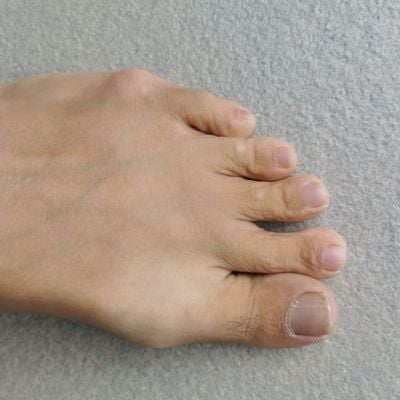
 Tailor's bunion is a condition that affects the fifth metatarsal bone at the base of the little toe. In this comprehensive guide, we will explore the intricacies of tailor's bunion, shedding light on its causes, symptoms, and various treatment options. Whether you're seeking information as a healthcare professional or an individual dealing with this foot ailment, this article aims to provide a detailed understanding of tailor's bunion in an engaging and educational manner.
Anatomy of the Foot
The Fifth Metatarsal
Before delving into tailor's bunion, it's essential to understand the anatomy of the foot. The fifth metatarsal bone, located on the outer side of the foot, plays a crucial role in weight-bearing and walking.
Bunionette vs. Bunion
Tailor's bunion is often confused with the more common bunion that affects the big toe. Clarifying the distinction between the two helps in accurate diagnosis and appropriate treatment.
Causes of Tailor's Bunion
Genetics and Foot Structure
Genetic factors and foot structure abnormalities can contribute to the development of tailor's bunions. Individuals with a family history of foot issues may be more predisposed to this condition.
Footwear Choices
Ill-fitting shoes with narrow toe boxes and high heels can exacerbate tailor's bunion. Understanding the impact of footwear choices is crucial in both prevention and management.
Recognizing Symptoms
Pain and Swelling
Tailor's bunions often present with pain and swelling on the outer side of the foot. Discomfort may be exacerbated by pressure from shoes or prolonged periods of standing.
Redness and Calluses
The affected area may become red and develop calluses due to friction and pressure. Recognizing these symptoms aids in early intervention.
Diagnosis and Assessment
Physical Examination
Healthcare professionals conduct a thorough physical examination, assessing the foot's structure and identifying signs of tailor's bunion. Pain, swelling, and skin changes are key indicators.
Imaging Studies
X-rays may be employed to visualize the bony structures and confirm the diagnosis. This aids in determining the severity of the bunionette and planning appropriate treatment.
Non-Surgical Treatment Options
Footwear Modifications
Switching to wider shoes with adequate toe space can alleviate pressure on the affected area, reducing pain and preventing further progression.
Orthotic Inserts
Custom or over-the-counter orthotic inserts can provide additional support, correcting foot alignment and easing discomfort associated with tailor's bunion.
Surgical Interventions
Bunionectomy
In cases where conservative measures fail, surgical intervention may be considered. A bunionectomy involves removing the bony prominence and realigning the metatarsal bone.
Recovery and Rehabilitation
Understanding the postoperative phase is crucial. This includes following recommended rehabilitation exercises and lifestyle modifications to ensure a successful recovery.
Prevention Strategies
Proper Footwear Choices
Educating individuals about the importance of choosing well-fitted shoes with adequate toe room helps prevent the development or worsening of tailor's bunions.
Regular Foot Checks
Routine foot examinations and awareness of any changes in foot structure empower individuals to take proactive steps in addressing potential issues early on.
Conclusion
In conclusion, tailor's bunion is a condition that merits attention and understanding. By unraveling its causes, symptoms, and treatment options, this article serves as an informative guide for healthcare professionals and individuals alike. Empowering individuals with knowledge fosters proactive engagement in foot health, ultimately contributing to improved well-being and enhanced quality of life.


Disclaimer:
The information on this website is provided for educational and information purposes only and is not medical advice. Always consult with a licensed medical provider and follow their recommendations regardless of what you read on this website. If you think you are having a medical emergency, dial 911 or go to the nearest emergency room. Links to other third-party websites are provided for your convenience only. If you decide to access any of the third-party websites, you do so entirely at your own risk and subject to the terms of use for those websites. Neither Dr. Jimmy Gregory, nor any contributor to this website, makes any representation, express or implied, regarding the information provided on this website or any information you may access on a third-party website using a link. Use of this website does not establish a doctor-patient relationship. If you would like to request an appointment with a health care provider, please call our office at 404-284-7744.