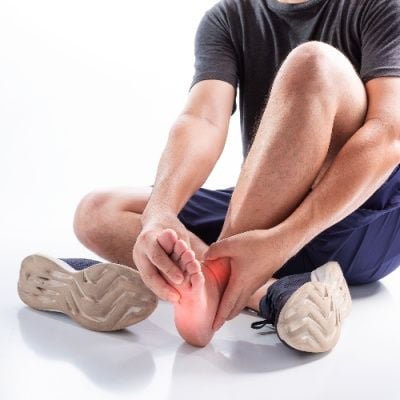
 Talar dome lesions, though relatively uncommon, can have a significant impact on foot health. In this comprehensive article, we will explore the intricacies of talar dome lesions, shedding light on their causes, symptoms, and various treatment options. Whether you're a healthcare professional or an individual seeking information on this condition, this article aims to provide a detailed understanding of talar dome lesions in an engaging and educational manner.
Anatomy of the Ankle Joint
The Talar Dome
To comprehend talar dome lesions, it's crucial to understand the anatomy of the ankle joint. The talar dome is a critical structure, forming part of the talus bone in the ankle. It plays a pivotal role in weight-bearing and smooth joint movement.
Articular Cartilage
The talar dome is covered by articular cartilage, a smooth tissue that facilitates frictionless movement within the joint. Any damage to this cartilage can lead to talar dome lesions.
Causes of Talar Dome Lesions
Trauma and Injuries
Acute injuries, such as ankle sprains or fractures, can result in talar dome lesions. Understanding the connection between trauma and the development of these lesions is essential for accurate diagnosis.
Repetitive Stress
Chronic wear and tear due to repetitive stress, often seen in athletes or individuals with occupations requiring prolonged standing, can contribute to the gradual onset of talar dome lesions.
Recognizing Symptoms
Ankle Pain and Swelling
Talar dome lesions typically manifest as persistent ankle pain and swelling. Recognizing these symptoms early is crucial for timely intervention and preventing further joint damage.
Limited Range of Motion
As the lesions progress, individuals may experience a restricted range of motion in the ankle joint, impacting daily activities and overall mobility.
Diagnosis and Assessment
Physical Examination
Healthcare professionals conduct a thorough physical examination, assessing ankle stability, range of motion, and specific maneuvers to identify signs indicative of talar dome lesions.
Imaging Studies
Advanced imaging, such as MRI or CT scans, may be employed to visualize the talar dome and assess the extent of cartilage damage. Accurate diagnosis is paramount for effective treatment planning.
Non-Surgical Treatment Options
Rest and Immobilization
In the early stages, rest and immobilization of the ankle joint can help alleviate symptoms and promote natural healing of the talar dome.
Physical Therapy
Targeted physical therapy exercises aim to strengthen the surrounding muscles, improve joint stability, and enhance overall ankle function, aiding in the recovery process.
Surgical Interventions
Arthroscopy
For more severe cases, arthroscopic procedures may be recommended to directly visualize and treat talar dome lesions. This minimally invasive approach facilitates quicker recovery.
Osteochondral Transplantation
In situations where there is significant cartilage damage, osteochondral transplantation may be considered to replace damaged tissue with healthy cartilage, promoting long-term joint health.
Rehabilitation and Recovery
Postoperative Care
Understanding the importance of postoperative care, including rehabilitation exercises and gradual return to weight-bearing activities, is crucial for a successful recovery.
Long-Term Management
Long-term management involves lifestyle modifications, appropriate footwear, and periodic follow-ups to monitor joint health and address any potential issues.
Prevention Strategies
Ankle Strengthening Exercises
Incorporating ankle-strengthening exercises into regular fitness routines can enhance joint stability and reduce the risk of talar dome lesions, especially in individuals prone to repetitive stress.
Protective Footwear
For athletes or those engaging in activities with a risk of ankle injury, wearing protective footwear can provide additional support and reduce the impact on the ankle joint.
Conclusion
In conclusion, talar dome lesions are a complex yet treatable condition that warrants attention and understanding. By unraveling their causes, symptoms, and treatment options, this article serves as an informative guide for healthcare professionals and individuals alike. Empowering individuals with knowledge fosters proactive engagement in ankle health, contributing to improved well-being and enhanced quality of life.
Disclaimer:
The information on this website is provided for educational and information purposes only and is not medical advice. Always consult with a licensed medical provider and follow their recommendations regardless of what you read on this website. If you think you are having a medical emergency, dial 911 or go to the nearest emergency room. Links to other third-party websites are provided for your convenience only. If you decide to access any of the third-party websites, you do so entirely at your own risk and subject to the terms of use for those websites. Neither Dr. Jimmy Gregory, nor any contributor to this website, makes any representation, express or implied, regarding the information provided on this website or any information you may access on a third-party website using a link. Use of this website does not establish a doctor-patient relationship. If you would like to request an appointment with a health care provider, please call our office at 404-284-7744.