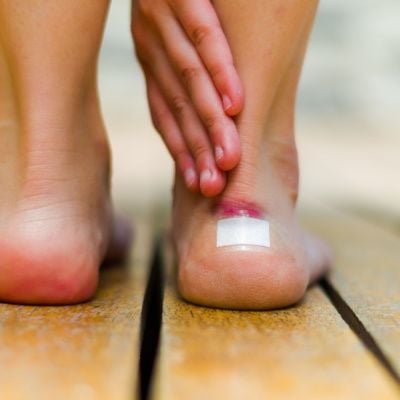
 Foot blisters, those pesky pockets of discomfort that seem to appear at the most inconvenient times, are not just a nuisance but also a signal from our feet that something needs attention. In this comprehensive guide, we embark on a journey to unravel the mysteries of foot blisters, exploring their causes, effective treatments, and practical strategies for prevention.
Understanding Foot Blisters
Anatomy of a Blister:
To comprehend foot blisters, we must first understand the basic anatomy of these fluid-filled sacs. This section breaks down the layers of skin involved in blister formation and explains the body's protective response to friction and pressure.
Causes of Foot Blisters:
The primary culprit behind foot blisters is friction. Whether from ill-fitting shoes, repetitive rubbing, or excessive moisture, friction can create the perfect conditions for blisters to emerge. We delve into the various causes, setting the stage for a deeper exploration.
Friction-Related Blisters
Ill-Fitting Shoes:
Shoes that don't fit properly can be a major source of friction, leading to blisters. This section explores how tight or loose shoes can contribute to blister formation and offers guidance on selecting footwear that minimizes friction.
Repetitive Motion:
Athletes and individuals engaged in repetitive activities are prone to blisters due to constant friction. We discuss the impact of repetitive motion on blister formation and suggest preventive measures to keep feet blister-free.
Moisture and Blisters
Sweaty Feet and Blisters:
Excessive moisture, often from sweaty feet, can exacerbate friction-related blister formation. This section delves into the relationship between sweaty feet and blisters, offering practical tips for moisture management.
Water-Related Blisters:
Immersing feet in water for prolonged periods, whether through water-based activities or excessive sweating, can contribute to blister formation. We explore the unique challenges posed by water and how to mitigate their effects.
Treatment Strategies for Foot Blisters
Leave It or Pop It?:
The age-old question of whether to pop a blister or leave it alone is addressed in this section. We weigh the pros and cons of each approach, considering infection risks and the potential impact on the healing process.
Proper Cleaning and Bandaging:
Once a blister has formed, proper cleaning and bandaging are crucial. We provide step-by-step guidance on how to clean a blister, when to use antibiotic ointments, and the best methods for safe bandaging.
Pain Management:
Blisters can be painful, and managing that pain is an essential aspect of treatment. This section discusses over-the-counter pain relievers, topical treatments, and other strategies to alleviate discomfort.
Prevention Strategies: Keeping Blisters at Bay
Proper Footwear Choices:
The foundation of blister prevention lies in choosing the right footwear. We offer practical tips on selecting shoes that fit well, provide adequate support, and minimize friction.
Moisture Management:
Controlling moisture is a key element in blister prevention. We explore strategies for keeping feet dry, from moisture-wicking socks to antiperspirants, helping individuals maintain optimal foot health.
Protective Measures:
Preemptive steps, such as using blister pads or moleskin, can create a barrier between the skin and potential sources of friction. This section outlines various protective measures to keep blisters from forming in the first place.
When to Seek Professional Help: Recognizing Serious Blisters
Infected Blisters:
Infections can complicate the blister-healing process. This section highlights the signs of an infected blister and stresses the importance of seeking professional medical attention when necessary.
Persistent or Recurrent Blisters:
While most blisters heal on their own, persistent or recurrent blisters may indicate an underlying issue. We guide readers on when it's time to consult a healthcare professional for a more in-depth assessment.
Conclusion
Foot blisters, though common, don't have to be a constant companion. By understanding their causes, implementing effective treatment strategies, and adopting proactive prevention measures, individuals can take control of their foot health. This guide serves as a roadmap for navigating the world of foot blisters – from their humble beginnings to practical steps for a blister-free future. After all, every step should be a comfortable journey, free from the pain of those tiny, yet impactful, foot blisters.

Disclaimer:
The information on this website is provided for educational and information purposes only and is not medical advice. Always consult with a licensed medical provider and follow their recommendations regardless of what you read on this website. If you think you are having a medical emergency, dial 911 or go to the nearest emergency room. Links to other third-party websites are provided for your convenience only. If you decide to access any of the third-party websites, you do so entirely at your own risk and subject to the terms of use for those websites. Neither Dr. Jimmy Gregory, nor any contributor to this website, makes any representation, express or implied, regarding the information provided on this website or any information you may access on a third-party website using a link. Use of this website does not establish a doctor-patient relationship. If you would like to request an appointment with a health care provider, please call our office at 404-284-7744.