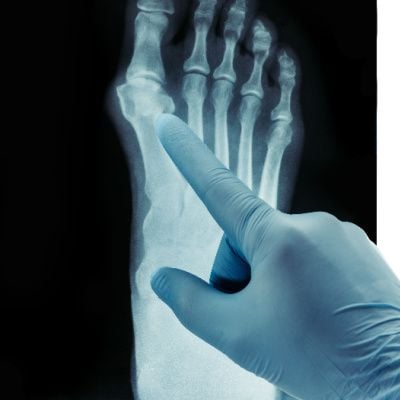
 Pump Bump, also known as Hallux Rigidus, affects the joint at the base of the big toe. This ailment, characterized by stiffness and limited motion in the big toe, can be a source of discomfort for many. In this comprehensive guide, we explore the intricacies of Pump Bump, shedding light on its causes, symptoms, and viable management strategies. Whether you're seeking information for yourself or a loved one, understanding this condition is the first step toward effective care.
Causes of Pump Bump (Hallux Rigidus)
-
Joint Wear and Tear:
- Hallux Rigidus often results from the gradual wear and tear of the articular cartilage that cushions the ends of bones in the big toe joint. This can be a consequence of overuse or the natural aging process.
-
Structural Abnormalities:
- Certain foot structures, such as having a longer first metatarsal bone, can predispose individuals to Hallux Rigidus. These structural abnormalities contribute to increased stress on the joint.
-
Genetic Factors:
- There is evidence to suggest a genetic predisposition to Hallux Rigidus. Individuals with a family history of this condition may be at a higher risk.
Recognizing the Symptoms
-
Stiffness in the Big Toe:
- One of the primary indicators of Hallux Rigidus is stiffness, particularly during push-off when walking or running.
-
Pain and Swelling:
- Individuals may experience pain and swelling around the joint, particularly during activities that involve bending the toe.
-
Difficulty Wearing Certain Shoes:
- Hallux Rigidus can make it challenging to wear shoes with a lower toe box, as the restricted motion in the big toe joint can lead to discomfort.
Diagnostic Approaches
-
Physical Examination:
- A thorough physical examination by a healthcare professional involves assessing the range of motion, signs of swelling, and any structural abnormalities.
-
Imaging Studies:
- X-rays are commonly employed to visualize the extent of joint damage and evaluate the bone structures. Magnetic Resonance Imaging (MRI) may be used in more complex cases.
Effective Management Strategies
-
Conservative Treatments:
- In the early stages, conservative approaches may include wearing shoes with a broader toe box, orthotic inserts for better foot support, and medications to alleviate pain and inflammation.
-
Physical Therapy:
- Targeted exercises and stretches prescribed by a physical therapist can help improve flexibility and reduce joint stiffness.
-
Injections:
- Corticosteroid injections into the affected joint may temporarily relieve pain and inflammation.
-
Footwear Modifications:
- Choosing footwear with a more accommodating toe box and lower heels can mitigate pressure on the big toe joint.
Advanced Treatment Options
-
Joint Preservation Surgery:
- In cases where conservative measures prove insufficient, joint preservation surgeries may be considered to address the underlying causes and restore joint function.
-
Joint Replacement:
- In severe cases, joint replacement surgery, or arthroplasty, may be recommended to replace the damaged joint with an artificial implant.
Living with Pump Bump: Practical Tips
-
Regular Exercise:
- Engaging in low-impact exercises like swimming or cycling can help maintain overall foot health without exacerbating symptoms.
-
Weight Management:
- Maintaining a healthy weight reduces the stress on the big toe joint, easing discomfort associated with Hallux Rigidus.
-
Foot Care Routine:
- Regularly monitoring foot health, practicing good hygiene, and promptly addressing any signs of discomfort are crucial aspects of living with Pump Bump.
Conclusion
Pump Bump, or Hallux Rigidus, may present challenges, but individuals can effectively manage the condition and maintain an active lifestyle with a proactive and informed approach. From understanding the causes to exploring treatment options and practical tips for daily living, this guide aims to equip readers with comprehensive insights into Pump Bump. If you or someone you know is grappling with the symptoms of Hallux Rigidus, consult a healthcare professional for personalized guidance and a tailored treatment plan.
Disclaimer:
The information on this website is provided for educational and information purposes only and is not medical advice. Always consult with a licensed medical provider and follow their recommendations regardless of what you read on this website. If you think you are having a medical emergency, dial 911 or go to the nearest emergency room. Links to other third-party websites are provided for your convenience only. If you decide to access any of the third-party websites, you do so entirely at your own risk and subject to the terms of use for those websites. Neither Dr. Jimmy Gregory, nor any contributor to this website, makes any representation, express or implied, regarding the information provided on this website or any information you may access on a third-party website using a link. Use of this website does not establish a doctor-patient relationship. If you would like to request an appointment with a health care provider, please call our office at 404-284-7744.