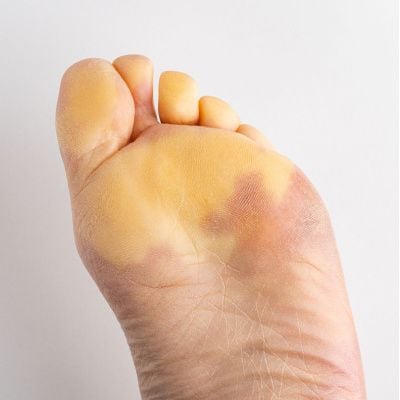
 Raynaud's Phenomenon, a condition affecting blood flow to specific body parts, primarily the fingers and toes, is characterized by episodic color changes and discomfort. In this comprehensive guide, we delve into the intricacies of Raynaud's Phenomenon, exploring its causes, symptoms, and practical strategies for effective management. Whether you're seeking information for yourself or someone you care about, understanding this phenomenon is crucial for navigating its challenges and maintaining optimal vascular health.
Causes of Raynaud's Phenomenon
-
Vascular Abnormalities:
- The core cause of Raynaud's Phenomenon lies in the constriction of small blood vessels in response to cold or stress, limiting blood supply to certain areas.
-
Connective Tissue Disorders:
- Underlying connective tissue disorders, such as scleroderma or lupus, can contribute to the development of Raynaud's Phenomenon.
-
Environmental Triggers:
- Exposure to cold temperatures or emotional stress can trigger episodes of vasospasm and restrict blood flow.
Recognizing the Symptoms
-
Color Changes in Skin:
- During an episode, affected areas, typically fingers and toes, may turn white or blue due to reduced blood flow. As blood flow is restored, the skin may turn red.
-
Numbness and Tingling:
- Individuals may experience numbness and tingling in the affected areas, reflecting the temporary interruption of blood supply.
-
Pain and Sensitivity:
- Pain or throbbing sensations can accompany Raynaud's episodes, causing discomfort until blood flow normalizes.
Types of Raynaud's Phenomenon
-
Primary Raynaud's:
- Also known as Raynaud's disease, this form is not linked to any other medical condition and is generally less severe.
-
Secondary Raynaud's:
- Connected to other diseases, secondary Raynaud's is often more complex and may indicate an underlying health issue.
Diagnostic Approaches
-
Medical History and Examination:
- A healthcare professional will conduct a thorough examination, considering medical history, symptoms, and potential triggers.
-
Blood Tests:
- Blood tests may be performed to check for autoimmune antibodies or assess blood cell counts, helping identify underlying conditions.
-
Capillaroscopy:
- This diagnostic tool involves examining the small blood vessels near the nail bed under a microscope, aiding in the assessment of vascular health.
Effective Management Strategies
-
Lifestyle Modifications:
- Avoiding cold temperatures, managing stress, and adopting protective measures, such as wearing warm gloves, can help reduce the frequency and severity of episodes.
-
Medications:
- Prescription medications, including vasodilators and calcium channel blockers, may be recommended to improve blood flow and prevent vasospasms.
-
Biofeedback:
- Biofeedback techniques can assist individuals in learning how to control body temperature and reduce stress, potentially minimizing the frequency of episodes.
-
Surgical Interventions:
- In severe cases, surgical procedures like sympathectomy may be considered to address nerve-related vasospasms.
Living with Raynaud's Phenomenon: Practical Tips
-
Warmth is Key:
- Dressing in layers, especially in cold weather, and using hand warmers or heated blankets can help maintain warmth and prevent episodes.
-
Regular Exercise:
- Engaging in physical activity promotes overall circulation and can be beneficial in managing Raynaud's Phenomenon.
-
Stress Management:
- Incorporating stress-reducing practices, such as mindfulness or yoga, can minimize the impact of emotional triggers.
Conclusion
Raynaud's Phenomenon, while presenting challenges, can be effectively managed with a combination of lifestyle adjustments, medical interventions, and a proactive approach to vascular health. From understanding its root causes to recognizing symptoms and exploring diverse management strategies, this guide aims to empower readers with valuable insights into Raynaud's Phenomenon. Consulting a healthcare professional for personalized guidance is essential if you or someone you know is grappling with this condition. By fostering awareness and adopting practical measures, individuals with Raynaud's Phenomenon can enhance their quality of life and effectively navigate the complexities of this vascular phenomenon.


Disclaimer:
The information on this website is provided for educational and information purposes only and is not medical advice. Always consult with a licensed medical provider and follow their recommendations regardless of what you read on this website. If you think you are having a medical emergency, dial 911 or go to the nearest emergency room. Links to other third-party websites are provided for your convenience only. If you decide to access any of the third-party websites, you do so entirely at your own risk and subject to the terms of use for those websites. Neither Dr. Jimmy Gregory, nor any contributor to this website, makes any representation, express or implied, regarding the information provided on this website or any information you may access on a third-party website using a link. Use of this website does not establish a doctor-patient relationship. If you would like to request an appointment with a health care provider, please call our office at 404-284-7744.