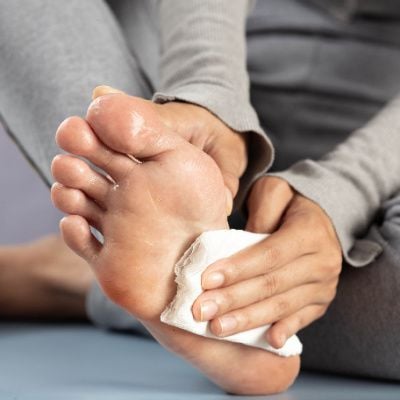
 Sweaty feet, medically known as hyperhidrosis, can be a source of discomfort and embarrassment for many individuals. This condition, characterized by excessive sweating beyond what is necessary for temperature regulation, affects the feet and, in severe cases, can lead to a range of physical and emotional issues. In this comprehensive exploration, we delve into the intricacies of sweaty feet, examining the causes, symptoms, and a spectrum of practical solutions to empower those grappling with this often-overlooked concern.
What Causes Sweaty Feet?
-
Overactive Sweat Glands:
- Hyperhidrosis occurs when the sweat glands in the feet become overactive, producing more sweat than the body needs for cooling.
-
Genetic Predisposition:
- Genetic factors play a significant role in hyperhidrosis, with a family history often contributing to an individual's likelihood of developing the condition.
-
Medical Conditions:
- Underlying medical conditions, such as thyroid disorders, diabetes, or cardiovascular issues, can contribute to excessive sweating, including in the feet.
-
Emotional Triggers:
- Stress, anxiety, and emotional triggers can stimulate the nervous system, prompting increased sweat production. This emotional sweating can be particularly pronounced in the feet.
-
Footwear and Sock Choices:
- Wearing tight, non-breathable shoes or socks can exacerbate sweaty feet by limiting air circulation and trapping moisture.
The Ramifications of Sweaty Feet: Beyond the Obvious
-
Unpleasant Odor:
- The combination of sweat and bacteria can lead to an unpleasant odor, making individuals with sweaty feet more prone to social discomfort.
-
Skin Infections:
- The constant moisture provides an ideal breeding ground for fungi and bacteria, increasing the risk of fungal infections like athlete's foot.
-
Discomfort and Disruption:
- Persistent moisture can cause the skin to soften, leading to blisters, calluses, and in severe cases, maceration.
-
Impact on Footwear:
- Sweaty feet can accelerate the breakdown of shoes, particularly those made of natural materials, reducing their longevity.
Navigating the Challenges: Practical Solutions for Sweaty Feet
-
Optimal Foot Hygiene:
- Regular washing of the feet with mild soap and thorough drying, especially between the toes, can help minimize the risk of infections and reduce odor.
-
Breathable Footwear:
- Choosing shoes made from breathable materials, such as leather or mesh, promotes air circulation and helps keep the feet dry.
-
Moisture-Wicking Socks:
- Socks made from moisture-wicking materials, like bamboo or synthetic blends, draw sweat away from the skin and aid in keeping the feet dry.
-
Foot Powder and Antiperspirants:
- Applying foot powders or antiperspirants designed for the feet can help control moisture and reduce excessive sweating.
-
Foot Soaks with Epsom Salt:
- Periodic foot soaks with Epsom salt can assist in minimizing odor and soothing the skin. The salt's antimicrobial properties can also contribute to a healthier foot environment.
Professional Interventions: When to Seek Help
-
Prescription-Strength Antiperspirants:
- For severe cases of hyperhidrosis, prescription-strength antiperspirants containing aluminum chloride hexahydrate may be recommended.
-
Iontophoresis:
- This non-invasive procedure involves passing a mild electrical current through the skin while the feet are immersed in water, effectively reducing sweat gland activity.
-
Botox Injections:
- Botulinum toxin injections can temporarily block nerve signals responsible for sweating, providing relief for several months.
-
Oral Medications:
- In certain situations, oral medications may be prescribed to regulate sweating.
Conclusion
Sweaty feet, while often perceived as a minor inconvenience, can profoundly impact an individual's well-being. By adopting a holistic approach that combines proper foot hygiene, thoughtful footwear choices, and practical interventions, those dealing with hyperhidrosis can regain control and confidently embrace each step. If sweaty feet persist despite self-care measures, seeking the guidance of a healthcare professional or podiatrist ensures a tailored approach to address the specific needs of each individual. Ultimately, the journey to dry, comfortable feet is a step toward enhanced physical and emotional well-being.


Disclaimer:
The information on this website is provided for educational and information purposes only and is not medical advice. Always consult with a licensed medical provider and follow their recommendations regardless of what you read on this website. If you think you are having a medical emergency, dial 911 or go to the nearest emergency room. Links to other third-party websites are provided for your convenience only. If you decide to access any of the third-party websites, you do so entirely at your own risk and subject to the terms of use for those websites. Neither Dr. Jimmy Gregory, nor any contributor to this website, makes any representation, express or implied, regarding the information provided on this website or any information you may access on a third-party website using a link. Use of this website does not establish a doctor-patient relationship. If you would like to request an appointment with a health care provider, please call our office at 404-284-7744.