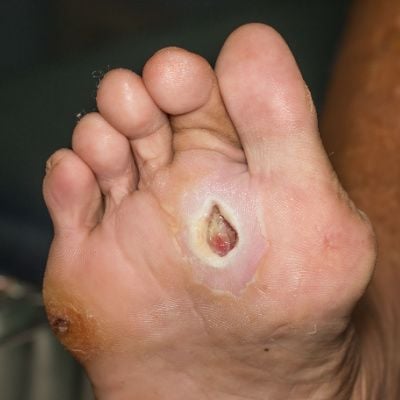
 The prevalence of diabetes has soared globally, and with it comes the heightened risk of diabetic wounds—a complex and severe concern for those living with diabetes. In this comprehensive guide, we delve into the intricacies of diabetic wounds, exploring their causes, their unique challenges, and strategies for prevention and effective wound management.
Diabetes, a chronic condition affecting the body's ability to regulate blood sugar, can have profound implications for various bodily functions. We explore how diabetes affects circulation, the immune process, and the nervous system, creating a challenging environment for wound healing.
Understanding Diabetic Neuropathy:Diabetic neuropathy, a common complication, often accompanies diabetes. This section outlines how nerve damage can result in reduced sensation, particularly in the extremities, making individuals more susceptible to injuries and less aware of potential wounds.
Types of Diabetic Wounds
Neuropathic Ulcers:Neuropathic ulcers stemming from diabetic neuropathy, are a prevalent type of diabetic wound. We delve into their characteristics, locations on the foot, and the factors contributing to their formation.
Ischemic Ulcers:Ischemic ulcers, arising from compromised blood flow, pose unique challenges. This subsection explores how vascular issues in diabetes can lead to reduced oxygen and nutrient delivery, hindering the body's natural healing processes.
Infections and Diabetic Foot:Diabetic wounds are susceptible to infections, which can escalate quickly and lead to severe complications. We discuss the factors that make diabetic wounds prone to infections and the importance of prompt and effective treatment.
Causes and Risk Factors
Peripheral Artery Disease (PAD):Peripheral artery disease is a common vascular complication in diabetes that restricts blood flow to the extremities. We explore how PAD contributes to the development of ischemic ulcers and complicates the healing process.
Neuropathy and Sensory Impairment:Diabetic neuropathy plays a pivotal role in the formation of neuropathic ulcers. This section outlines how sensory impairment can lead to unnoticed injuries and the progression of wounds in the absence of early intervention.
Elevated Blood Sugar Levels:Prolonged periods of high blood sugar levels, a hallmark of diabetes, have systemic effects on wound healing. We discuss how hyperglycemia influences the body's ability to fight infections, regulate inflammation, and promote tissue repair.
Signs and Symptoms
Delayed Healing:One of the primary indicators of diabetic wounds is delayed healing. We explore the reasons behind the sluggish healing process and how this characteristic can be a red flag for complications.
Redness, Swelling, and Warmth:Diabetic wounds often exhibit signs of inflammation, including redness, swelling, and warmth. This section delves into the mechanisms behind these symptoms and their significance in assessing the severity of a wound.
Drainage and Odor:Drainage and foul odor from a wound can indicate infection. We discuss how infections in diabetic wounds may present with specific characteristics and why prompt attention is crucial.
Diagnosing Diabetic Wounds
Clinical Evaluation:Diagnosis of diabetic wounds begins with a thorough clinical evaluation. We explore the critical elements of this assessment, including a detailed medical history, physical examination, and diagnostic tools to determine the extent of the wound and potential complications.
Imaging Techniques:Advanced imaging techniques, such as X-rays, MRI, and ultrasound, are crucial in assessing the deeper layers of tissues affected by diabetic wounds. This subsection outlines how these modalities contribute to accurate diagnosis and treatment planning.
Complications
Cellulitis and Abscess Formation:Untreated diabetic wounds can lead to complications such as cellulitis and abscess formation. We discuss how infections can spread and escalate, emphasizing the need for vigilant monitoring and early intervention.
Osteomyelitis:Diabetic wounds that extend to the bone can result in osteomyelitis, a severe and challenging complication. This section explores the risk factors, diagnostic approaches, and treatment strategies for managing osteomyelitis in the context of diabetic wounds.
Treatment Approaches
Wound Debridement:Debridement, removing dead or infected tissue, is fundamental to diabetic wound care. We discuss the different methods of debridement and their roles in promoting a clean wound bed conducive to healing.
Offloading and Pressure Redistribution:Offloading techniques like specialized footwear or braces are vital in managing neuropathic ulcers. This subsection explores how offloading reduces pressure on vulnerable areas, preventing the recurrence of wounds.
Antibiotic Therapy:Antibiotics are often crucial to diabetic wound care, mainly when infections are present. We delve into the considerations for antibiotic selection, duration of therapy, and the importance of a multidisciplinary approach.
Advanced Therapies and Emerging Approaches
Hyperbaric Oxygen Therapy:Hyperbaric oxygen therapy is an emerging approach that enhances wound healing by increasing oxygen delivery to tissues. We discuss the mechanisms of this therapy and its potential applications in diabetic wound care.
Stem Cell Therapy:Stem cell therapy holds promise in regenerating damaged tissues and promoting healing. This section explores the current state of research on stem cell applications in diabetic wound care and potential future developments.
Preventive Strategies
Daily Foot Inspections:Regular self-examinations of the feet are crucial for preventing diabetic wounds. We discuss the importance of daily foot inspections, guiding what individuals should look for and when to seek professional attention.
Proper Foot Hygiene:Maintaining proper foot hygiene is a cornerstone of diabetic foot care. This subsection explores best practices for washing, drying, and moisturizing the feet to prevent dryness and minimize the risk of wounds.
Conclusion
In diabetic wounds, knowledge, vigilance, and proactive care become potent allies. By understanding the intricacies of diabetic wounds, individuals can take informed steps to prevent complications, seek timely treatment, and navigate the complexities of wound care. This comprehensive guide serves as a roadmap for those on the journey to foot health, emphasizing the importance of a multidisciplinary approach, regular monitoring, and a commitment to fostering optimal well-being for individuals with diabetes.


Disclaimer:
The information on this website is provided for educational and information purposes only and is not medical advice. Always consult with a licensed medical provider and follow their recommendations regardless of what you read on this website. If you think you are having a medical emergency, dial 911 or go to the nearest emergency room. Links to other third-party websites are provided for your convenience only. If you decide to access any of the third-party websites, you do so entirely at your own risk and subject to the terms of use for those websites. Neither Dr. Jimmy Gregory, nor any contributor to this website, makes any representation, express or implied, regarding the information provided on this website or any information you may access on a third-party website using a link. Use of this website does not establish a doctor-patient relationship. If you would like to request an appointment with a health care provider, please call our office at 404-284-7744.