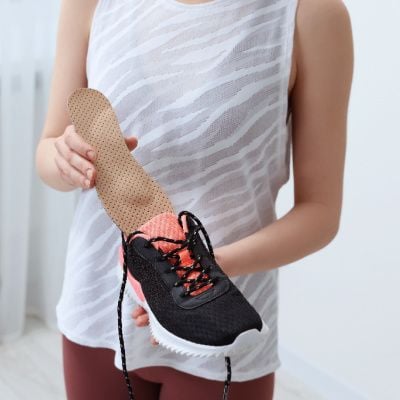
 Footwear is the foundation of our daily mobility, and the role of shoe inserts, often underestimated, becomes paramount in ensuring optimal foot health and overall well-being. This comprehensive guide delves into shoe inserts, uncovering their diverse types, benefits, and their crucial role in alleviating foot-related discomfort.
Understanding Shoe Inserts
-
Introduction to Shoe Inserts:
- Shoe inserts, or insoles, are removable footbeds designed to provide additional support, cushioning, and stability inside footwear. They are a versatile solution to address various foot conditions and enhance comfort.
-
Types of Shoe Inserts:
- Understanding the specific purpose of shoe inserts is crucial in choosing the right type. Arch supports, cushioned insoles, orthotic inserts, and heel cups are available, each catering to unique foot needs.
Addressing Foot Conditions
-
Arch Support Inserts:
- Individuals with low or high arches can benefit from arch support inserts. These inserts help distribute pressure evenly across the foot, promoting better alignment and reducing strain on the arch.
-
Cushioned Insoles:
- Cushioned insoles, crafted from gel or foam, absorb shock and impact. They are ideal for individuals seeking additional comfort and relief from conditions like plantar fasciitis or metatarsalgia.
-
Orthotic Inserts:
- Orthotic inserts are designed to correct biomechanical imbalances, and supporting conditions such as overpronation or supination. They aim to enhance overall foot function and alignment.
-
Heel Cups:
- Heel cups focus on stabilizing and cushioning the heel. They are particularly beneficial for individuals experiencing heel pain, Achilles tendonitis, or issues related to uneven weight distribution.
Benefits of Using Shoe Inserts
-
Enhanced Comfort:
- One of the primary advantages of using shoe inserts is immediate comfort enhancement. Inserts provide additional cushioning and support, reducing discomfort associated with prolonged standing or walking.
-
Improved Shock Absorption:
- The daily impact on our feet, especially during activities like running or jumping, can lead to strain. Shoe inserts with shock-absorbing properties mitigate this impact, safeguarding the joints and preventing potential injuries.
-
Alignment Correction:
- Individuals with irregular foot alignment can benefit from orthotic inserts, which assist in correcting biomechanical imbalances. This, in turn, alleviates joint stress and promotes better overall alignment.
-
Relief from Foot Conditions:
- Conditions such as plantar fasciitis, bunions, or Morton's neuroma can cause persistent discomfort. The targeted design of certain shoe inserts offers relief by addressing specific pressure points and distributing weight evenly.
Choosing the Right Shoe Inserts
-
Consultation with a Professional:
- Before investing in shoe inserts, seeking guidance from a podiatrist or orthopedic specialist is advisable. A professional assessment ensures the chosen inserts align with individual foot characteristics and needs.
-
Understanding Foot Type:
- Recognizing one's foot type, whether flat, neutral, or high-arched, influences the choice of inserts. Different foot types require varying levels of support and cushioning.
Incorporating Inserts into Daily Life
-
Proper Insert Placement:
- Correct placement of shoe inserts is essential for maximizing their benefits. Ensuring that inserts fit snugly inside the shoe and align with the foot's natural contours is crucial.
-
Gradual Adaptation:
- While the advantages of shoe inserts are significant, individuals may require a brief adaptation period. Gradually increasing wear time allows the feet to adjust comfortably.
Conclusion
Shoe inserts emerge as unsung heroes in foot health, providing a tailored approach to comfort and support. The diverse range of inserts caters to many needs, from addressing specific foot conditions to offering overall relief and improved biomechanics. As individuals prioritize foot health and seek solutions for enhanced well-being, shoe inserts stand ready to support every step of the journey towards happy and healthy feet.

Disclaimer:
The information on this website is provided for educational and information purposes only and is not medical advice. Always consult with a licensed medical provider and follow their recommendations regardless of what you read on this website. If you think you are having a medical emergency, dial 911 or go to the nearest emergency room. Links to other third-party websites are provided for your convenience only. If you decide to access any of the third-party websites, you do so entirely at your own risk and subject to the terms of use for those websites. Neither Dr. Jimmy Gregory, nor any contributor to this website, makes any representation, express or implied, regarding the information provided on this website or any information you may access on a third-party website using a link. Use of this website does not establish a doctor-patient relationship. If you would like to request an appointment with a health care provider, please call our office at 404-284-7744.