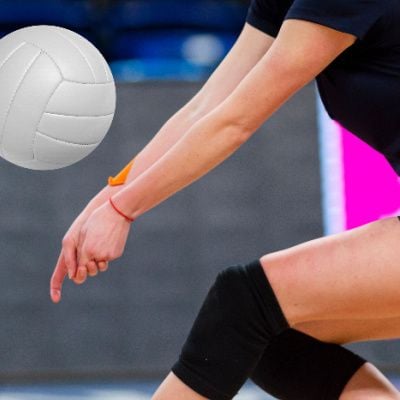
 Volleyball, a sport that demands agility, precision, and explosive movements, places considerable stress on the lower extremities, especially the foot and ankle. As players execute swift jumps, lateral shuffles, and sudden stops, the risk of injuries to these crucial areas becomes inevitable. In this comprehensive exploration, we delve into the common foot and ankle injuries prevalent in the realm of volleyball. From prevention strategies to management approaches, this guide aims to shed light on the intricacies of safeguarding the foot and ankle health of volleyball enthusiasts.
Volleyball and Its Impact on the Feet
Volleyball, often played on various surfaces including indoor courts and beach sand, involves a symphony of movements that intricately challenge the foot and ankle's structural integrity. From dynamic spikes to quick lateral maneuvers, the feet bear the brunt of these actions, making them susceptible to specific injuries.
-
Ankle Sprains:
- The abrupt changes in direction, sudden jumps, and unexpected landings make volleyball players prone to ankle sprains. The uneven nature of indoor and outdoor playing surfaces further amplifies the risk.
-
Achilles Tendonitis:
- The repetitive and forceful push-offs during jumps and rapid sprints can strain the Achilles tendon, leading to Achilles tendonitis. Overuse, insufficient rest, and improper warm-up contribute to the development of this condition.
-
Plantar Fasciitis:
- The constant stress on the feet, stemming from repeated jumps and sudden stops, can lead to plantar fasciitis. This inflammatory condition affects the plantar fascia, causing heel pain and discomfort.
Specific Volleyball-Related Injuries to the Foot and Ankle
-
Jumpers Knee (Patellar Tendonitis):
- The frequent jumping and landing involved in volleyball can strain the patellar tendon, leading to Jumpers Knee. This condition manifests as pain around the kneecap and can impact overall performance.
-
Metatarsal Stress Fractures:
- The repetitive impact of jumping and rapid lateral movements can contribute to stress fractures in the metatarsal bones. This injury, if not addressed promptly, can lead to prolonged recovery periods.
-
Turfer's Toe (Black Toe):
- The repetitive forward propulsion during jumps and sudden stops can result in trauma to the toes, leading to Turfer's Toe. This condition is characterized by discoloration and bruising of the toenails.
Preventive Measures and Performance Optimization
-
Proper Footwear Selection:
- Choosing volleyball shoes that provide adequate ankle support, cushioning, and stability is crucial. Properly fitted shoes contribute to injury prevention and overall comfort during play.
-
Dynamic Warm-up and Stretching:
- A comprehensive warm-up routine that includes dynamic stretches can prepare the muscles and ligaments for the intense physical demands of volleyball. Targeted stretching helps improve flexibility and reduces the risk of injuries.
Navigating Specialized Care in Volleyball-Related Injuries
-
Immediate Injury Management:
- In the event of an injury, prompt application of the R.I.C.E. (Rest, Ice, Compression, Elevation) method is crucial. This aids in minimizing swelling and provides initial relief.
-
Diagnostic Imaging for Precision:
- Persistent or severe injuries may necessitate diagnostic imaging, such as X-rays or MRI scans, to accurately assess the extent of the injury. This information is pivotal for tailored treatment plans.
Rehabilitation and Return to the Court
-
Physiotherapy and Strength Training:
- Tailored physiotherapy programs focus on strengthening the affected areas, improving flexibility, and restoring normal function. Volleyball-specific exercises contribute to a safe return to play.
-
Collaboration with Sports Medicine Professionals:
- Seeking the expertise of orthopedic specialists, podiatrists, and physical therapists ensures a comprehensive approach to rehabilitation. Collaborative care plans address the specific demands of volleyball-related injuries.
Conclusion
In the pulsating world of volleyball, where every point and every spike counts, the health of the feet and ankles becomes a pivotal aspect of a player's performance. By embracing preventive measures, informed training practices, and access to specialized care when needed, volleyball enthusiasts can elevate their game while safeguarding the longevity of their foot and ankle health.
In the rhythmic dance of serves, spikes, and swift lateral movements on the volleyball court, the feet serve as the foundation of a player's prowess. Safeguarding this foundation through attentive care and proactive measures ensures that every match remains a celebration of skill, teamwork, and the enduring passion for the sport. In the dynamic realm of volleyball, where agility meets power, the health of the foot and ankle becomes a game-changer, one dig at a time.
Disclaimer:
The information on this website is provided for educational and information purposes only and is not medical advice. Always consult with a licensed medical provider and follow their recommendations regardless of what you read on this website. If you think you are having a medical emergency, dial 911 or go to the nearest emergency room. Links to other third-party websites are provided for your convenience only. If you decide to access any of the third-party websites, you do so entirely at your own risk and subject to the terms of use for those websites. Neither Dr. Jimmy Gregory, nor any contributor to this website, makes any representation, express or implied, regarding the information provided on this website or any information you may access on a third-party website using a link. Use of this website does not establish a doctor-patient relationship. If you would like to request an appointment with a health care provider, please call our office at 404-284-7744.