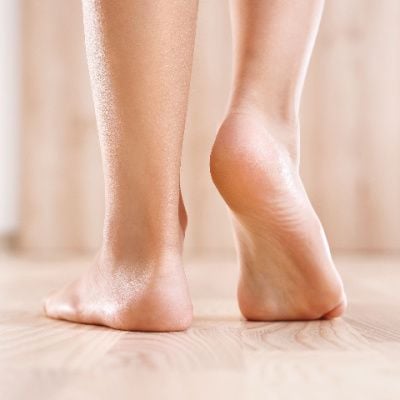
 Flat feet, also known as fallen arches or pes planus, is a common condition characterized by the flattening of the arches of the feet. Overpronation, on the other hand, refers to excessive inward rolling of the foot during walking or running. While these two conditions are distinct, they are often interconnected, with flat feet predisposing individuals to overpronation. In this article, we'll explore the causes, symptoms, and management of flat feet and overpronation.
Causes of Flat Feet and Overpronation
Flat feet can result from a variety of factors, including genetics, injury, or natural development. Some individuals are born with flat feet due to inherited traits or abnormalities in foot structure, while others may develop flat feet over time as a result of injury or weakening of the supportive structures in the foot.
Overpronation is commonly associated with flat feet, as the lack of arch support can lead to excessive inward rolling of the foot during movement. This biomechanical imbalance can put additional stress on the ligaments, tendons, and muscles of the foot and lower leg, increasing the risk of overuse injuries such as plantar fasciitis, shin splints, or Achilles tendonitis.
Symptoms of Flat Feet and Overpronation
Flat feet and overpronation can manifest with a range of symptoms, including:
- Pain or discomfort in the arches, heels, ankles, or knees
- Fatigue or achiness in the feet or lower legs, especially after prolonged standing or physical activity
- Difficulty finding shoes that fit comfortably or excessive wear on the inner side of the shoe
- Reduced stability or balance during walking or running
Some individuals with flat feet and overpronation may also experience associated conditions such as bunions, hammertoes, or lower back pain due to altered foot mechanics and gait patterns.
Management and Treatment
The management of flat feet and overpronation aims to alleviate symptoms, improve foot function, and prevent complications. Treatment options may include:
- Orthotic devices: Custom-made or over-the-counter orthotic inserts can provide additional support and cushioning to compensate for the lack of arch support in flat feet and control excessive pronation during movement.
- Supportive footwear: Choosing shoes with adequate arch support, cushioning, and stability features can help reduce symptoms and improve comfort for individuals with flat feet and overpronation. Look for shoes specifically designed for motion control or stability to address biomechanical imbalances.
- Stretching and strengthening exercises: Physical therapy exercises targeting the muscles and tendons of the feet, ankles, and lower legs can help improve flexibility, strength, and stability, reducing the severity of flat feet and overpronation.
- Footwear modifications: In some cases, modifications such as heel wedges, arch pads, or custom shoe modifications may be recommended to address specific biomechanical issues and improve foot alignment.
- Activity modification: Avoiding high-impact activities or excessive running or jumping can help reduce stress on the feet and lower legs, especially for individuals with flat feet and overpronation prone to overuse injuries.
Conclusion
Flat feet and overpronation are common foot conditions that can affect individuals of all ages, leading to pain, discomfort, and reduced mobility. By understanding the causes, symptoms, and management options for flat feet and overpronation, individuals can take proactive steps to alleviate symptoms, improve foot function, and prevent complications. Consultation with a healthcare professional, such as a podiatrist or physical therapist, is recommended for personalized evaluation and treatment recommendations based on individual needs and preferences.

Disclaimer:
The information on this website is provided for educational and information purposes only and is not medical advice. Always consult with a licensed medical provider and follow their recommendations regardless of what you read on this website. If you think you are having a medical emergency, dial 911 or go to the nearest emergency room. Links to other third-party websites are provided for your convenience only. If you decide to access any of the third-party websites, you do so entirely at your own risk and subject to the terms of use for those websites. Neither Dr. Jimmy Gregory, nor any contributor to this website, makes any representation, express or implied, regarding the information provided on this website or any information you may access on a third-party website using a link. Use of this website does not establish a doctor-patient relationship. If you would like to request an appointment with a health care provider, please call our office at 404-284-7744.