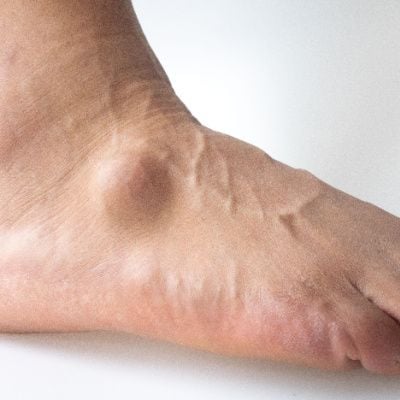
 Foot cysts, also known as ganglion cysts, are fluid-filled sacs that commonly develop along tendons or joints in the foot. While often benign, these cysts can cause discomfort, pain, or limited mobility, prompting individuals to seek treatment. In this article, we'll explore the causes, symptoms, and removal options for foot cysts to help individuals make informed decisions about their care.
Causes and Symptoms of Foot Cysts
Foot cysts typically develop as a result of repetitive stress or trauma to the tendons or joints in the foot. The exact cause of these cysts is not always clear, but they are believed to form when synovial fluid, which lubricates the joints, accumulates and creates a sac-like structure.
Symptoms of foot cysts may vary depending on the size and location of the cyst. Common signs and symptoms include:
- A visible lump or bump on the top or bottom of the foot
- Pain or discomfort, especially when walking or wearing tight footwear
- Limited range of motion or stiffness in the affected area
- Tingling or numbness if the cyst compresses nearby nerves
In some cases, foot cysts may spontaneously resolve on their own without intervention. However, if symptoms persist or worsen, medical evaluation and treatment may be necessary.
Non-Surgical Treatment Options
Initially, conservative treatments may be recommended to alleviate symptoms and reduce the size of the cyst. Non-surgical options may include:
- Monitoring: In some cases, foot cysts may not cause significant symptoms and can be monitored over time without intervention.
- Padding or shoe modifications: Cushioning pads or adjustments to footwear can help alleviate pressure on the cyst and reduce discomfort.
- Aspiration: A healthcare provider may use a needle to drain the fluid from the cyst, relieving pressure and reducing its size. However, cysts may recur after aspiration.
While these non-surgical treatments may provide temporary relief, they may not address the underlying cause of the cyst or prevent recurrence.
Surgical Removal of Foot Cysts
When conservative treatments fail to provide adequate relief or if the cyst recurs, surgical removal may be recommended. Surgical options for foot cyst removal include:
- Excision: During excision, the cyst and its surrounding tissue are surgically removed through a small incision in the skin. This procedure is performed under local or general anesthesia, depending on the size and location of the cyst.
- Arthroscopic surgery: In some cases, arthroscopic surgery may be performed to remove the cyst using minimally invasive techniques. This approach involves inserting a small camera and surgical instruments through tiny incisions in the skin, allowing the surgeon to visualize and remove the cyst with precision.
- Open surgery: In more complex cases or if the cyst is located near delicate structures such as nerves or blood vessels, open surgery may be necessary. This involves making a larger incision to access the cyst and surrounding tissues for removal.
Recovery and Follow-Up Care
Following surgical removal of a foot cyst, patients may experience some discomfort, swelling, or bruising in the affected area. It's essential to follow post-operative instructions provided by the healthcare provider, including keeping the foot elevated, applying ice packs, and taking prescribed medications to manage pain and prevent infection.
Patients should also attend follow-up appointments to monitor healing progress and address any concerns or complications. Physical therapy or rehabilitation exercises may be recommended to restore strength, flexibility, and mobility in the foot after surgery.
Conclusion
Foot cysts can cause discomfort and limited mobility, impacting an individual's quality of life. While non-surgical treatments may provide temporary relief, surgical removal may be necessary for persistent or recurrent cysts. By understanding the causes, symptoms, and removal options for foot cysts, individuals can work with their healthcare providers to determine the most appropriate treatment approach to alleviate symptoms and restore foot function.

Disclaimer:
The information on this website is provided for educational and information purposes only and is not medical advice. Always consult with a licensed medical provider and follow their recommendations regardless of what you read on this website. If you think you are having a medical emergency, dial 911 or go to the nearest emergency room. Links to other third-party websites are provided for your convenience only. If you decide to access any of the third-party websites, you do so entirely at your own risk and subject to the terms of use for those websites. Neither Dr. Jimmy Gregory, nor any contributor to this website, makes any representation, express or implied, regarding the information provided on this website or any information you may access on a third-party website using a link. Use of this website does not establish a doctor-patient relationship. If you would like to request an appointment with a health care provider, please call our office at 404-284-7744.