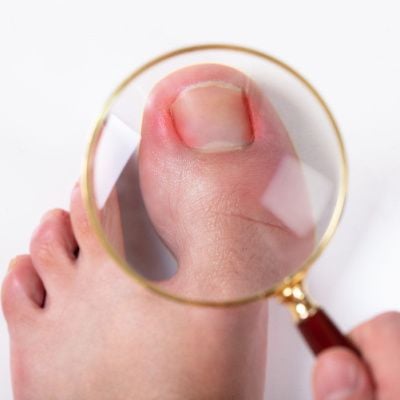
 Toenail problems are common issues that can affect people of all ages and can range from minor concerns to more serious conditions requiring medical attention. In this article, we'll explore various toenail problems, including their causes, symptoms, and treatment options, to help individuals understand and address these issues effectively.
Fungal Nail Infections
Fungal nail infections, also known as onychomycosis, are among the most common toenail problems. They occur when fungi infect the toenail, leading to discoloration, thickening, and crumbling of the nail. Fungal nail infections are typically caused by dermatophyte fungi and can develop due to factors such as warm and moist environments, poor foot hygiene, or compromised immune systems. Symptoms may include yellow or brown discoloration, brittle or crumbly nails, and a foul odor. Treatment options for fungal nail infections include topical or oral antifungal medications, laser therapy, or surgical removal of the affected nail in severe cases.
Ingrown Toenails
Ingrown toenails occur when the edges of the toenail grow into the surrounding skin, leading to pain, redness, swelling, and potential infection. Ingrown toenails can develop due to improper nail trimming, tight footwear, or inherited nail shape. Individuals with diabetes or circulation problems are at higher risk of complications from ingrown toenails. Treatment for ingrown toenails may involve soaking the foot in warm water, gently lifting the edge of the nail, wearing properly fitting footwear, or surgical removal of the ingrown portion of the nail by a healthcare professional.
Toenail Trauma
Toenail trauma, such as stubbing the toe or dropping a heavy object on the foot, can result in various nail injuries, including bruising, bleeding under the nail (subungual hematoma), or partial or complete nail loss. Symptoms may include pain, swelling, discoloration, and difficulty walking. Treatment for toenail trauma depends on the severity of the injury and may include applying ice packs to reduce swelling, keeping the foot elevated, and trimming or removing the damaged portion of the nail if necessary. In severe cases, surgical intervention may be required to repair the nail bed or remove the nail.
Nail Psoriasis
Nail psoriasis is a chronic autoimmune condition that can affect the nails, causing changes in texture, color, and shape. Psoriasis can affect both the skin and nails, and individuals with psoriasis may experience symptoms such as pitting, ridges, thickening, or separation of the nail from the nail bed. Treatment for nail psoriasis may include topical or oral medications, phototherapy, or biologic therapies to manage symptoms and reduce inflammation.
Toenail Fungus
Toenail fungus, or onychomycosis, is a common fungal infection that affects the toenails, causing them to become thickened, discolored, and brittle. Toenail fungus is often caused by dermatophyte fungi and can develop due to factors such as warm and moist environments, poor foot hygiene, or compromised immune systems. Symptoms of toenail fungus may include yellow or brown discoloration, thickening of the nail, crumbling or brittleness, and a foul odor. Treatment options for toenail fungus include topical or oral antifungal medications, laser therapy, or surgical removal of the affected nail in severe cases.
Prevention and Management
Preventing toenail problems involves maintaining good foot hygiene, wearing properly fitting footwear, avoiding trauma to the toenails, and seeking prompt medical attention for any signs of infection or injury. Individuals with underlying health conditions such as diabetes or circulation problems should take extra precautions to prevent toenail problems and seek medical care if issues arise. Managing toenail problems often requires a combination of self-care measures and professional treatment, depending on the specific condition and its severity.
Conclusion
Toenail problems can range from minor concerns to more serious conditions requiring medical attention. By understanding the causes, symptoms, and treatment options for common toenail problems such as fungal nail infections, ingrown toenails, toenail trauma, nail psoriasis, and toenail fungus, individuals can take proactive steps to maintain healthy nails and address any issues that may arise. It's essential to practice good foot hygiene, wear properly fitting footwear, and seek medical care for any signs of infection or injury to ensure optimal foot health and well-being.


Disclaimer:
The information on this website is provided for educational and information purposes only and is not medical advice. Always consult with a licensed medical provider and follow their recommendations regardless of what you read on this website. If you think you are having a medical emergency, dial 911 or go to the nearest emergency room. Links to other third-party websites are provided for your convenience only. If you decide to access any of the third-party websites, you do so entirely at your own risk and subject to the terms of use for those websites. Neither Dr. Jimmy Gregory, nor any contributor to this website, makes any representation, express or implied, regarding the information provided on this website or any information you may access on a third-party website using a link. Use of this website does not establish a doctor-patient relationship. If you would like to request an appointment with a health care provider, please call our office at 404-284-7744.