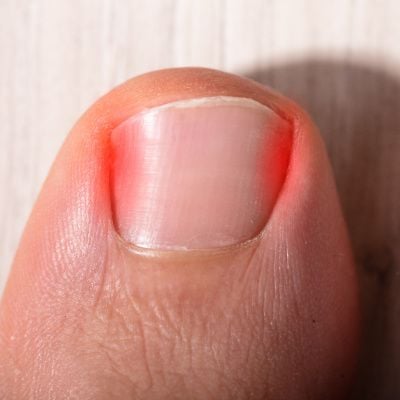
 Subungual exostosis, also known as a bone spur under the toenail, is a condition characterized by the development of a bony growth beneath the toenail. This article explores the causes, symptoms, diagnosis, treatment options, and prevention strategies for subungual exostosis to provide individuals with a comprehensive understanding of this foot condition.
Causes of Subungual Exostosis
Subungual exostosis typically develops as a result of repeated trauma or injury to the toenail bed or the underlying bone. The constant pressure and irritation can lead to the formation of a bony protrusion beneath the toenail. Factors that may contribute to the development of subungual exostosis include:
- Repetitive microtrauma: Activities such as running, hiking, or wearing ill-fitting shoes that repeatedly impact the toenail can cause damage to the nail bed and underlying bone, triggering the formation of a bone spur.
- Previous injury: A history of trauma or injury to the toe, such as stubbing the toe or dropping a heavy object on it, can increase the risk of developing subungual exostosis.
- Genetic predisposition: Some individuals may have a genetic predisposition to developing bone spurs or bony growths in the feet, making them more susceptible to subungual exostosis.
Symptoms of Subungual Exostosis
Subungual exostosis typically presents with the following symptoms:
- Pain or discomfort: Individuals with subungual exostosis may experience pain or discomfort in the affected toenail, especially when pressure is applied to the area, such as when wearing shoes or walking.
- Swelling: The presence of a bone spur beneath the toenail can cause swelling and inflammation in the surrounding tissues, leading to redness and tenderness.
- Changes in toenail appearance: The toenail may appear distorted, lifted, or discolored due to the presence of the bone spur underneath.
Diagnosis of Subungual Exostosis
A podiatrist or healthcare professional can diagnose subungual exostosis through a physical examination and evaluation of the symptoms. Diagnostic imaging tests such as X-rays may be ordered to confirm the presence of a bone spur beneath the toenail and assess its size and extent.
Treatment Options for Subungual Exostosis
Treatment for subungual exostosis depends on the severity of symptoms and the impact on daily activities. Some treatment options include:
- Conservative measures: In mild cases, conservative treatments such as wearing wider shoes, cushioning the affected toe, and avoiding activities that exacerbate symptoms may help alleviate pain and discomfort.
- Trimming the toenail: Trimming or thinning the affected toenail can relieve pressure on the bone spur and reduce pain and discomfort.
- Surgical removal: In more severe cases or if conservative measures fail to provide relief, surgical removal of the bone spur may be necessary. During the procedure, the podiatrist will remove the bony growth from beneath the toenail to alleviate symptoms and restore normal toenail function.
Prevention Strategies
While subungual exostosis may not always be preventable, individuals can take steps to reduce their risk of developing this condition:
- Wear proper footwear: Wearing properly fitting shoes that provide adequate support and cushioning can help prevent trauma and injury to the toenail bed and underlying bone.
- Practice good foot hygiene: Keeping the feet clean and dry, trimming toenails straight across, and avoiding tight footwear can help maintain foot health and reduce the risk of developing subungual exostosis.
- Seek prompt treatment: If you experience symptoms such as pain, swelling, or changes in toenail appearance, seek prompt medical attention from a podiatrist or healthcare professional for evaluation and treatment.
Conclusion
Subungual exostosis, or a bone spur under the toenail, is a condition characterized by the development of a bony growth beneath the toenail due to repeated trauma or injury. Symptoms may include pain, swelling, and changes in toenail appearance. Diagnosis is typically made through a physical examination and imaging tests. Treatment options include conservative measures, trimming the toenail, or surgical removal of the bone spur. Prevention strategies include wearing proper footwear, practicing good foot hygiene, and seeking prompt treatment for symptoms. With proper care and attention, individuals can manage subungual exostosis effectively and maintain foot health.
Disclaimer:
The information on this website is provided for educational and information purposes only and is not medical advice. Always consult with a licensed medical provider and follow their recommendations regardless of what you read on this website. If you think you are having a medical emergency, dial 911 or go to the nearest emergency room. Links to other third-party websites are provided for your convenience only. If you decide to access any of the third-party websites, you do so entirely at your own risk and subject to the terms of use for those websites. Neither Dr. Jimmy Gregory, nor any contributor to this website, makes any representation, express or implied, regarding the information provided on this website or any information you may access on a third-party website using a link. Use of this website does not establish a doctor-patient relationship. If you would like to request an appointment with a health care provider, please call our office at 404-284-7744.