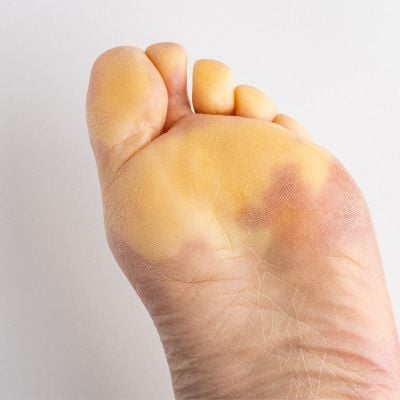
 Raynaud's disease, also known as Raynaud's phenomenon, is characterized by episodes of reduced blood flow to the extremities, including the fingers and toes, in response to cold temperatures or emotional stress. When Raynaud's affects the feet specifically, it can lead to discomfort and potential complications. This article explores the causes, symptoms, diagnosis, and management of Raynaud's disease of the foot to provide a comprehensive understanding of this condition.
Causes of Raynaud's Disease of The Foot
Raynaud's foot disease occurs due to an exaggerated response of the blood vessels in the feet to cold temperatures or emotional stress. The exact cause of Raynaud's disease is not fully understood, but it is believed to involve dysfunction in the body's normal response to temperature changes and stress. Factors that may contribute to Raynaud's disease of the foot include:
-
Cold exposure: Exposure to cold temperatures can trigger vasospasm (narrowing) of the blood vessels in the feet, leading to reduced blood flow and the characteristic color changes associated with Raynaud's episodes.
-
Emotional stress: Emotional stress or anxiety can also induce vasospasms in the blood vessels of the feet, resulting in decreased blood flow and symptoms of Raynaud's disease.
-
Underlying conditions: Raynaud's disease of the foot may occur as a primary condition with no underlying cause, or it may be secondary to other underlying conditions such as autoimmune diseases (e.g., lupus, rheumatoid arthritis), connective tissue disorders, vascular diseases, or certain medications.
Symptoms of Raynaud's Disease of The Foot
The symptoms of Raynaud's disease of the foot are similar to those of Raynaud's, affecting other body parts. During an episode, the feet may experience the following triphasic color changes:
-
Pallor (white): The affected feet may turn white or pale as blood flow to the area decreases due to vasospasm.
-
Cyanosis (blue): As the vasospasm continues, the feet may turn blue or cyanotic due to a lack of oxygen in the blood.
-
Erythema (red): Once the vasospasm resolves, blood flow returns to the feet, causing them to turn red or flush as oxygenated blood rushes back into the area.
Other symptoms of Raynaud's disease of the foot may include numbness, tingling, coldness, or pain in the affected feet during episodes.
Diagnosis of Raynaud's Disease of The Foot
Diagnosing Raynaud's disease of the foot involves a thorough medical history, physical examination, and assessment of symptoms by a healthcare professional. Your doctor may also perform additional tests to rule out underlying conditions or secondary causes of Raynaud's disease, such as blood tests, nailfold capillaroscopy, or cold stimulation tests.
Management of Raynaud's Disease of The Foot
While there is no cure for Raynaud's disease, various treatment options and lifestyle modifications can help manage symptoms and reduce the frequency and severity of Raynaud's episodes affecting the feet:
-
Keep feet warm: Minimize exposure to cold temperatures and wear warm socks and shoes to help prevent episodes of Raynaud's affecting the feet.
-
Avoid triggers: Identify and avoid triggers that may exacerbate symptoms, such as emotional stress or exposure to cold environments.
-
Stress management: Practice stress-reduction techniques such as deep breathing, meditation, or relaxation exercises to help prevent stress-induced Raynaud's episodes.
-
Quit smoking: Smoking can worsen symptoms of Raynaud's disease by constricting blood vessels and reducing blood flow. Quitting smoking can improve circulation and reduce the frequency and severity of Raynaud's episodes affecting the feet.
-
Medications: In some cases, medications such as calcium channel blockers, vasodilators, or topical nitroglycerin may be prescribed to help relax blood vessels and improve blood flow to the feet during Raynaud's episodes.
Conclusion
Raynaud's disease of the foot is a condition characterized by episodes of reduced blood flow to the feet, typically in response to cold temperatures or emotional stress. While the exact cause of Raynaud's disease is not fully understood, various factors may contribute to its development. Symptoms include triphasic color changes in the feet and numbness, tingling, coldness, or pain. Diagnosis involves a thorough evaluation by a healthcare professional, and management strategies focus on lifestyle modifications, avoiding triggers, stress management, and, in some cases, medications. If you experience symptoms of Raynaud's disease affecting your feet, consult your doctor for evaluation and appropriate management to help alleviate symptoms and improve quality of life.


Disclaimer:
The information on this website is provided for educational and information purposes only and is not medical advice. Always consult with a licensed medical provider and follow their recommendations regardless of what you read on this website. If you think you are having a medical emergency, dial 911 or go to the nearest emergency room. Links to other third-party websites are provided for your convenience only. If you decide to access any of the third-party websites, you do so entirely at your own risk and subject to the terms of use for those websites. Neither Dr. Jimmy Gregory, nor any contributor to this website, makes any representation, express or implied, regarding the information provided on this website or any information you may access on a third-party website using a link. Use of this website does not establish a doctor-patient relationship. If you would like to request an appointment with a health care provider, please call our office at 404-284-7744.